
Recommissioning a 1966 Jaguar E-Type after 20 years in storage
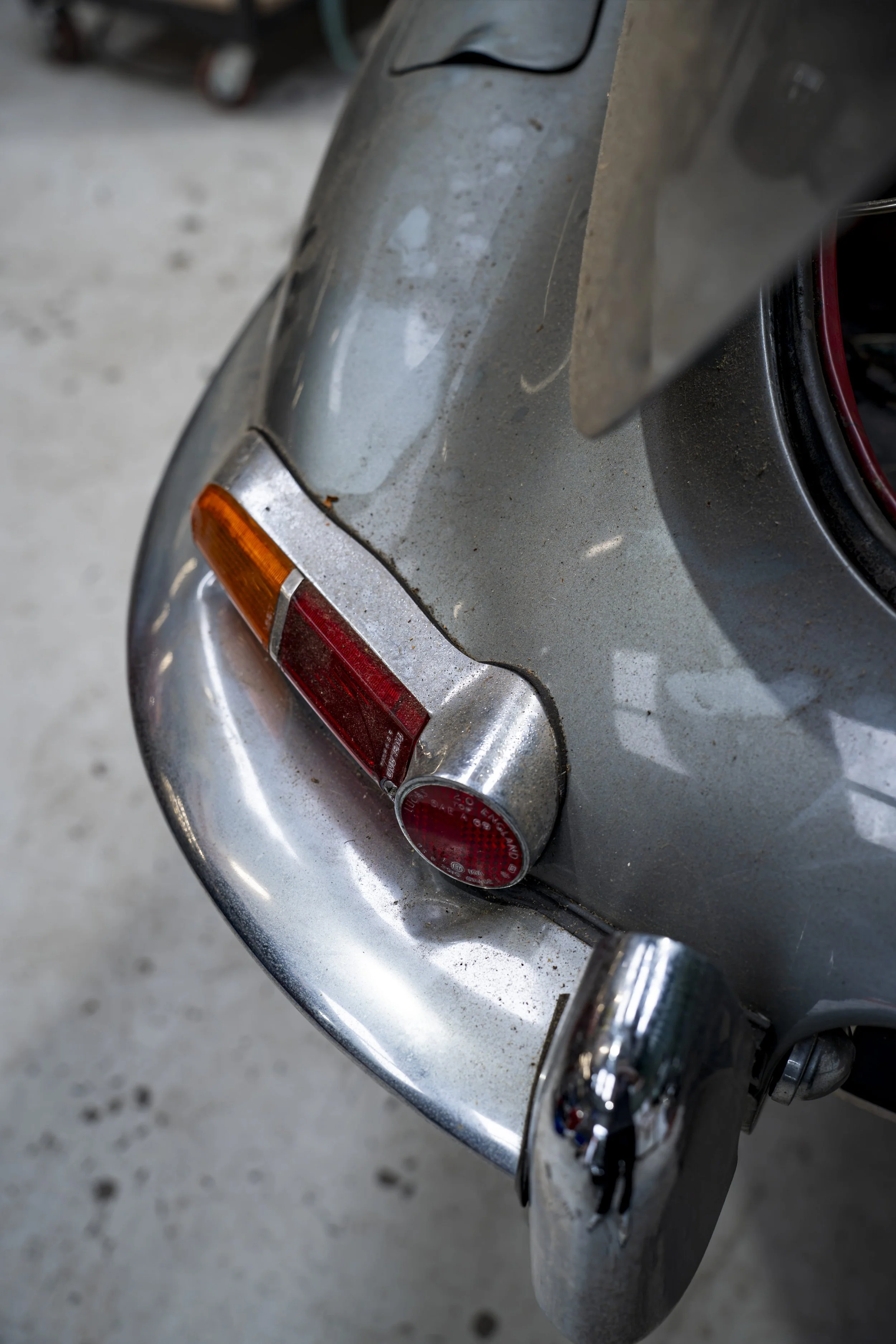
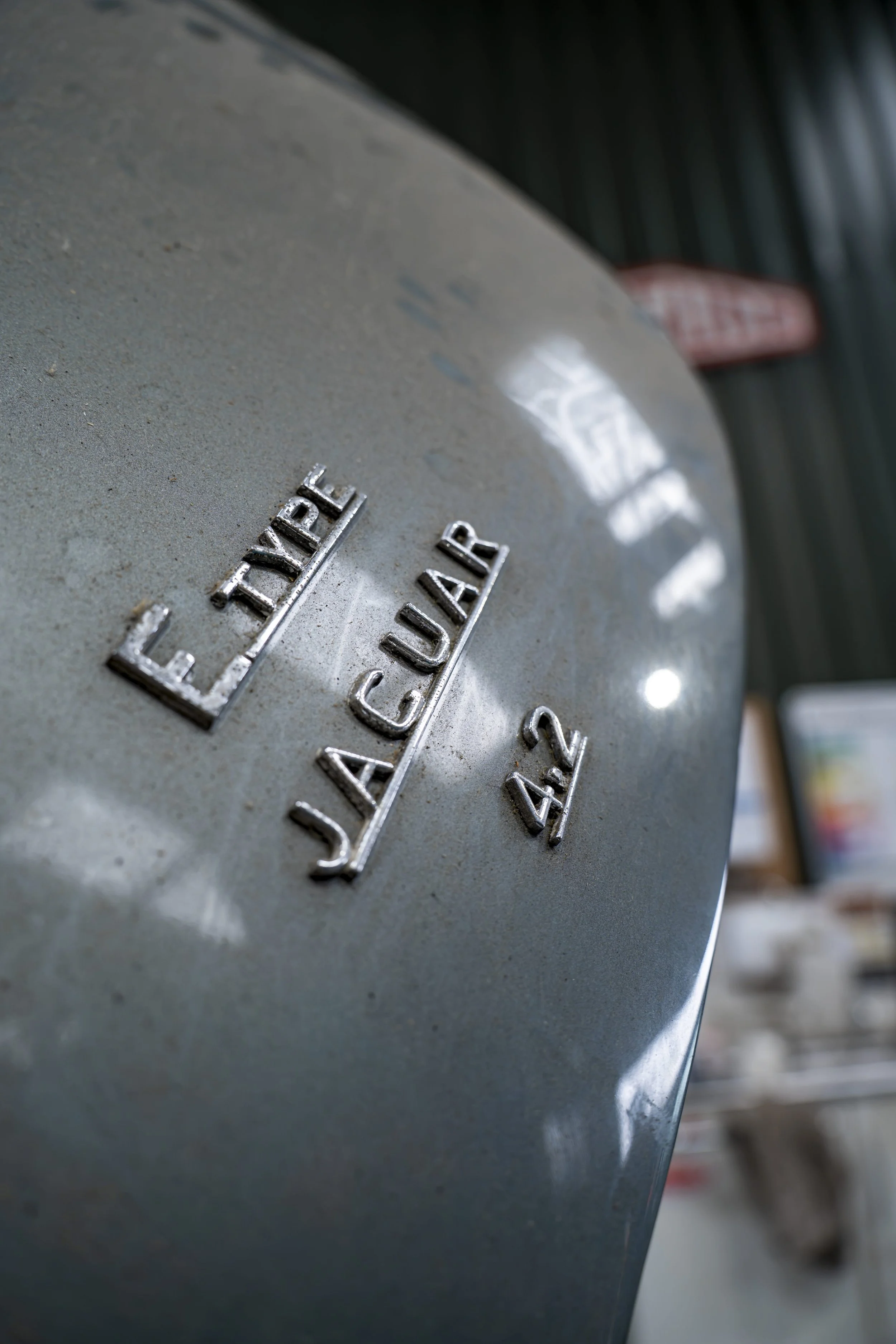
A couple of weeks ago, a 1966 Jaguar E-Type arrived at our workshops after spending 20 years in storage. The project is currently in its early stages, with the car’s condition assessed and work underway to address the issues caused by its extended time off the road. Our aim is to carefully recommission the Jaguar and get it running reliably before returning this iconic E-Type to British roads. Recommissioning a classic car after such a long period requires careful assessment of its mechanical systems and overall condition. The project will progress through several stages, which we will explore throughout this article, highlighting the key areas involved in recommissioning this classic car and the work our specialist restoration technicians need to undertake.
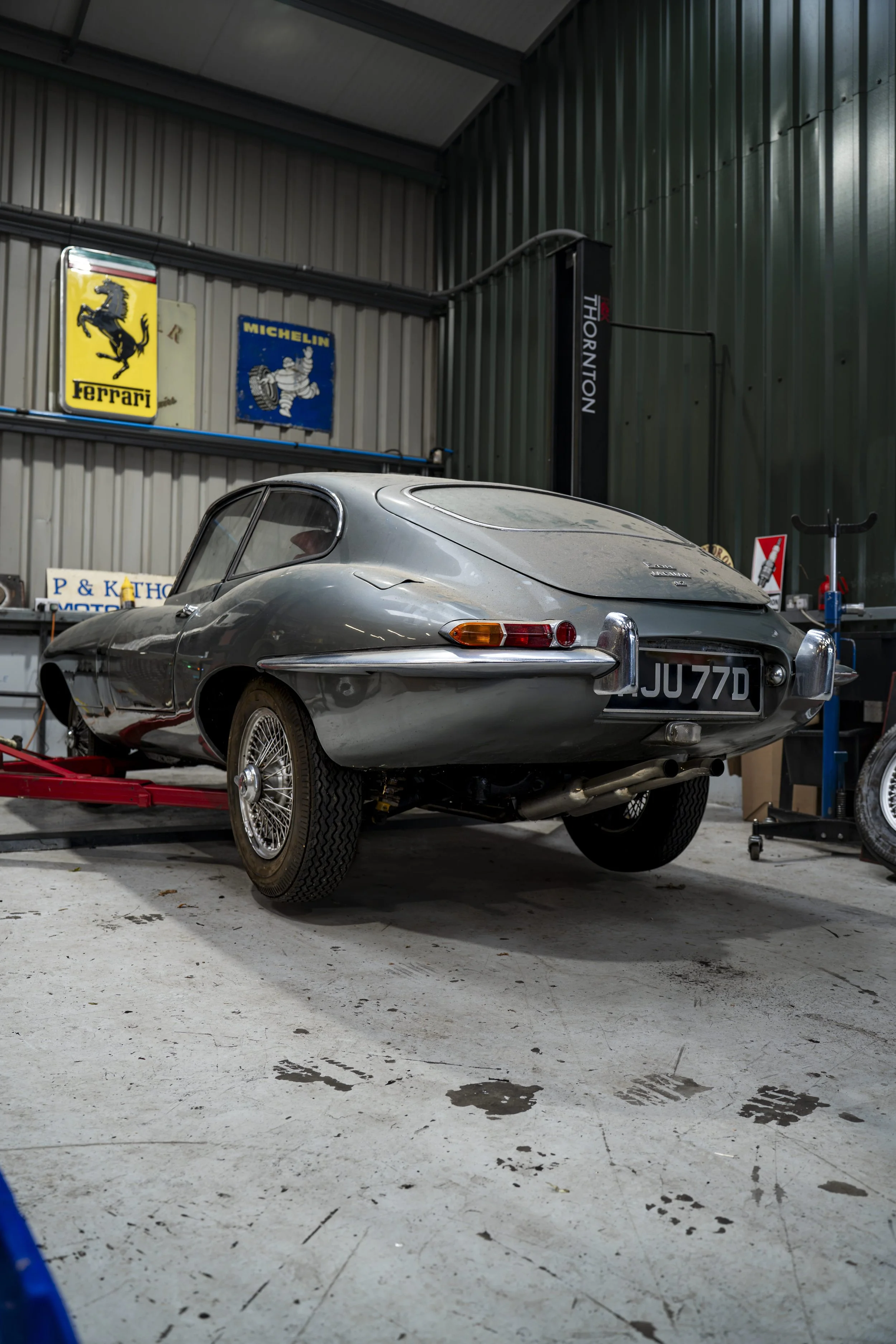
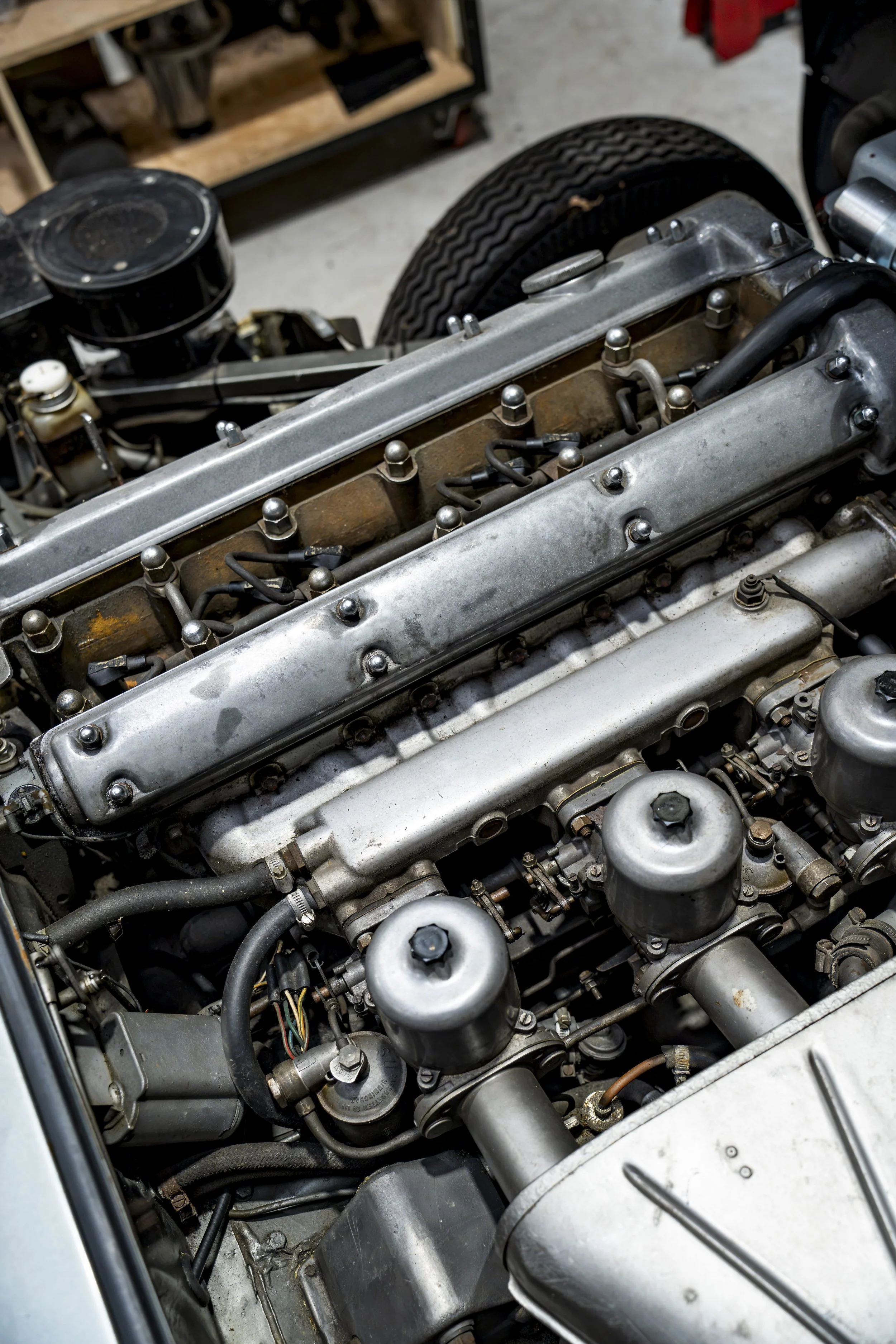
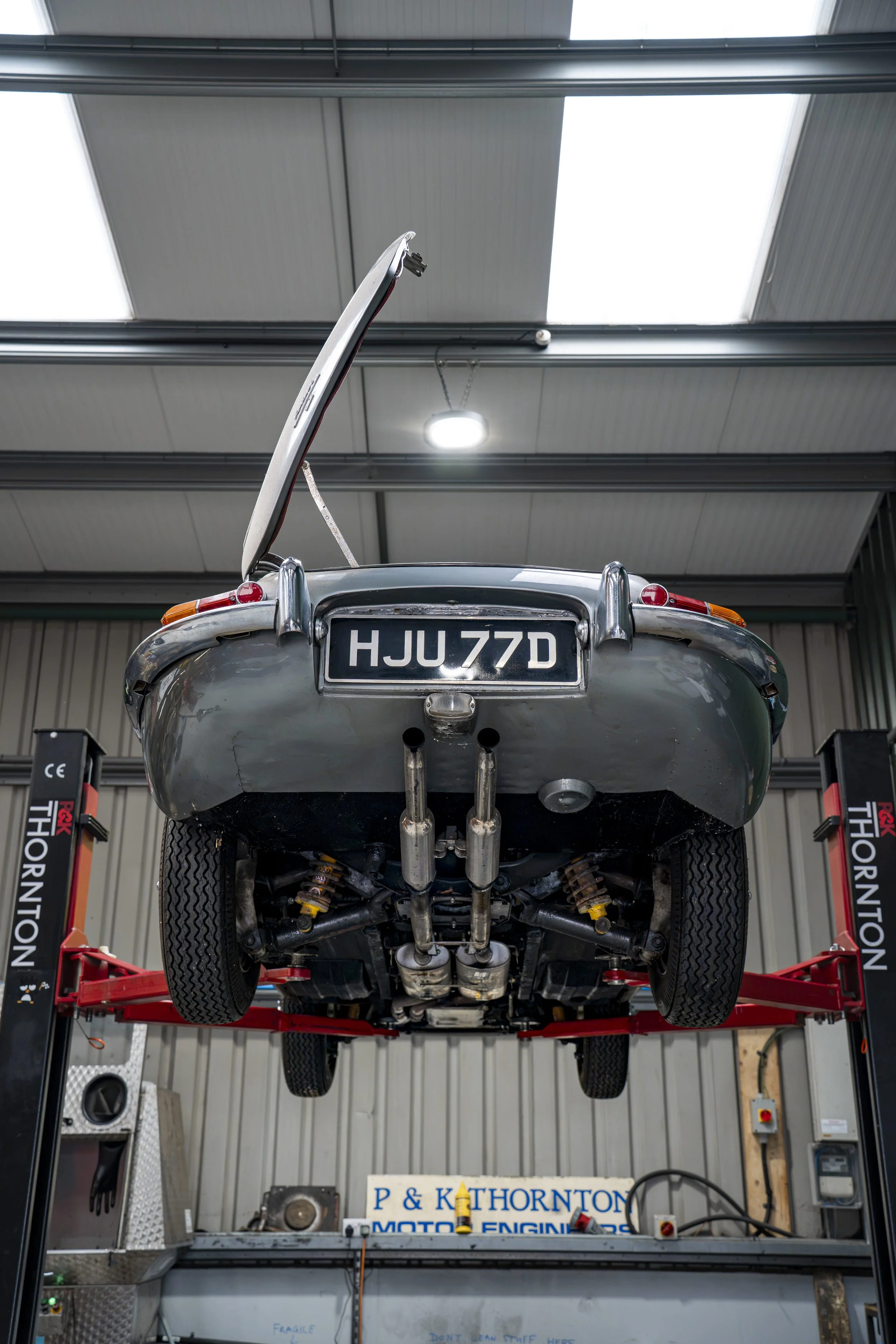
Like all the other major projects arriving at our workshops, we begin the process with an initial assessment. This is an important stage in the restoration process. Rather than immediately carrying out every possible repair, the initial assessment allows us to establish the condition of the Jaguar and the work required; this is particularly vital considering the classic Jaguar in our shop has been off the road for two decades.
A classic car can develop issues while standing unused for a long period. Rubber components may deteriorate, fuel systems can require attention, and mechanical components such as the clutch and brakes need to be checked before the vehicle can safely return to the road. During the initial assessment, we assess the condition of the engine and other key mechanical systems, look for signs of deterioration in components that may have been affected by age or inactivity, and identify areas requiring repair, replacement or further investigation.
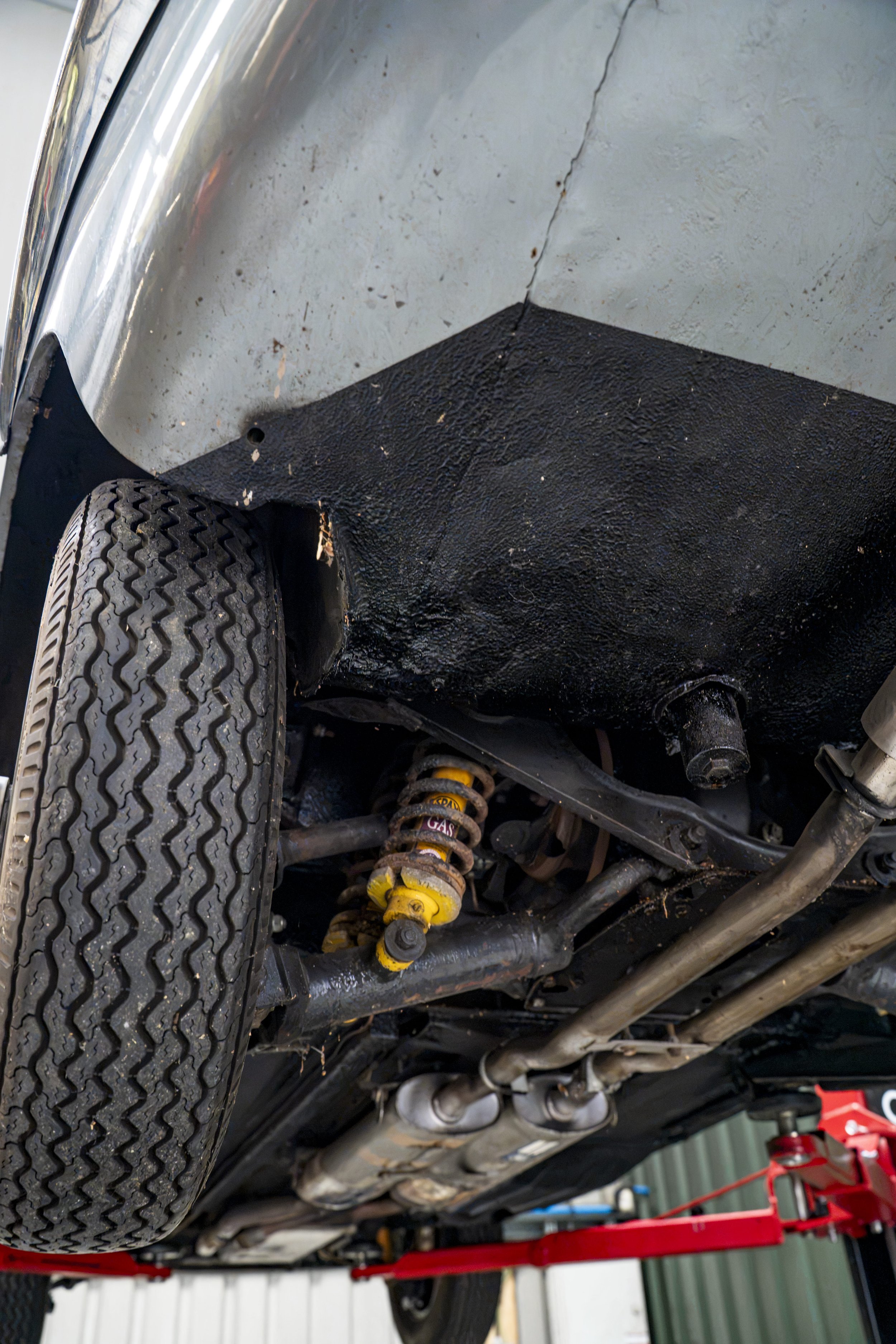
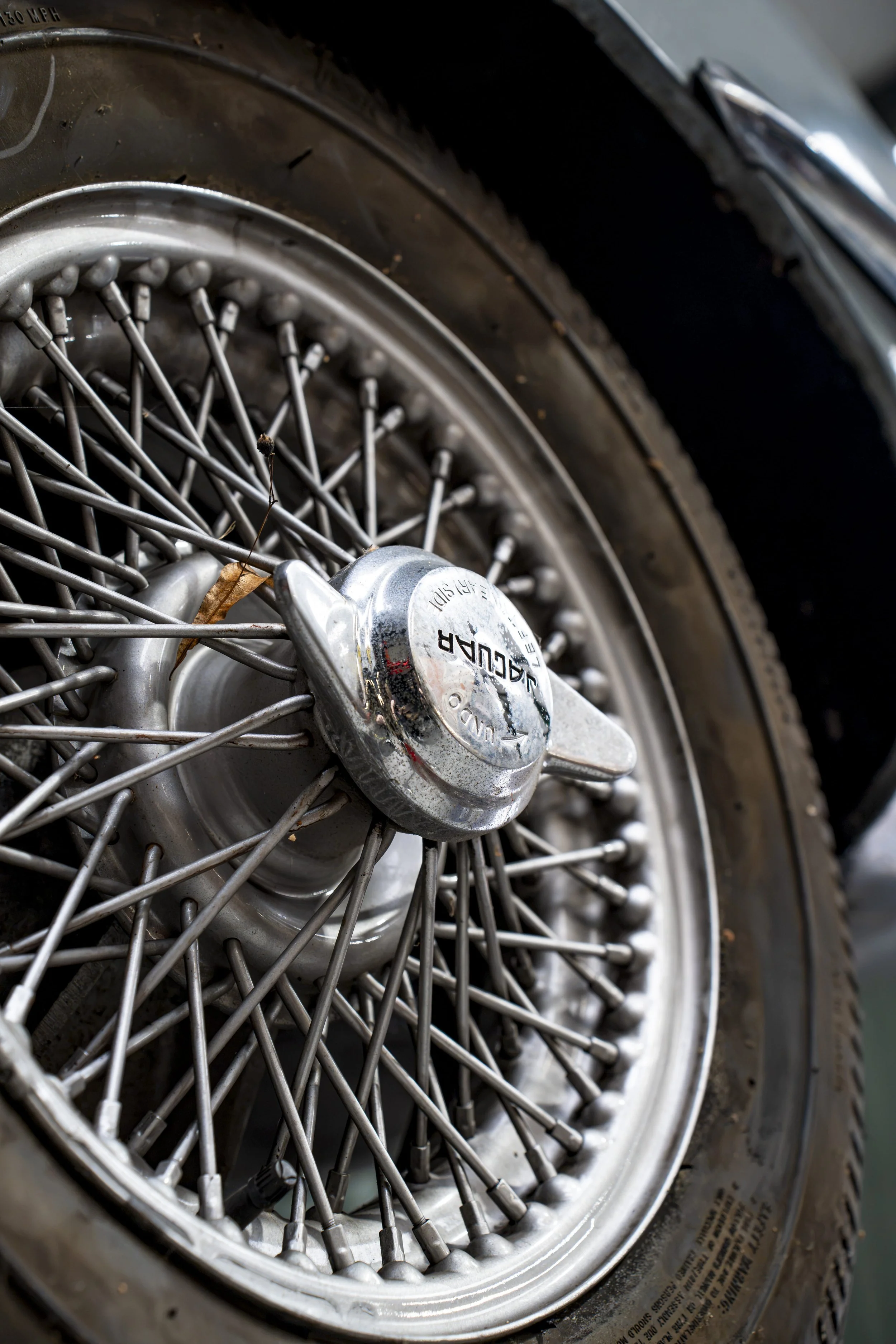
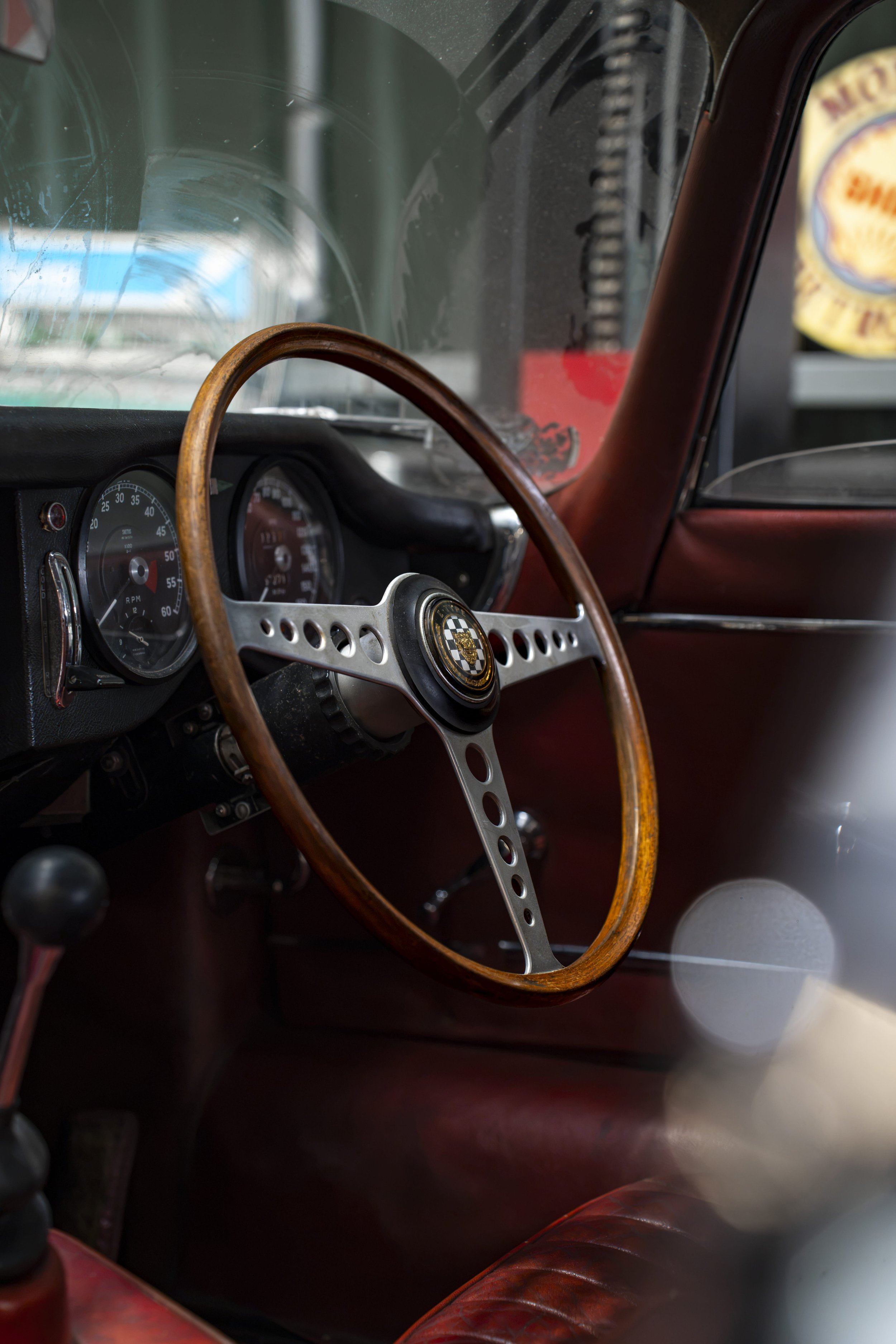
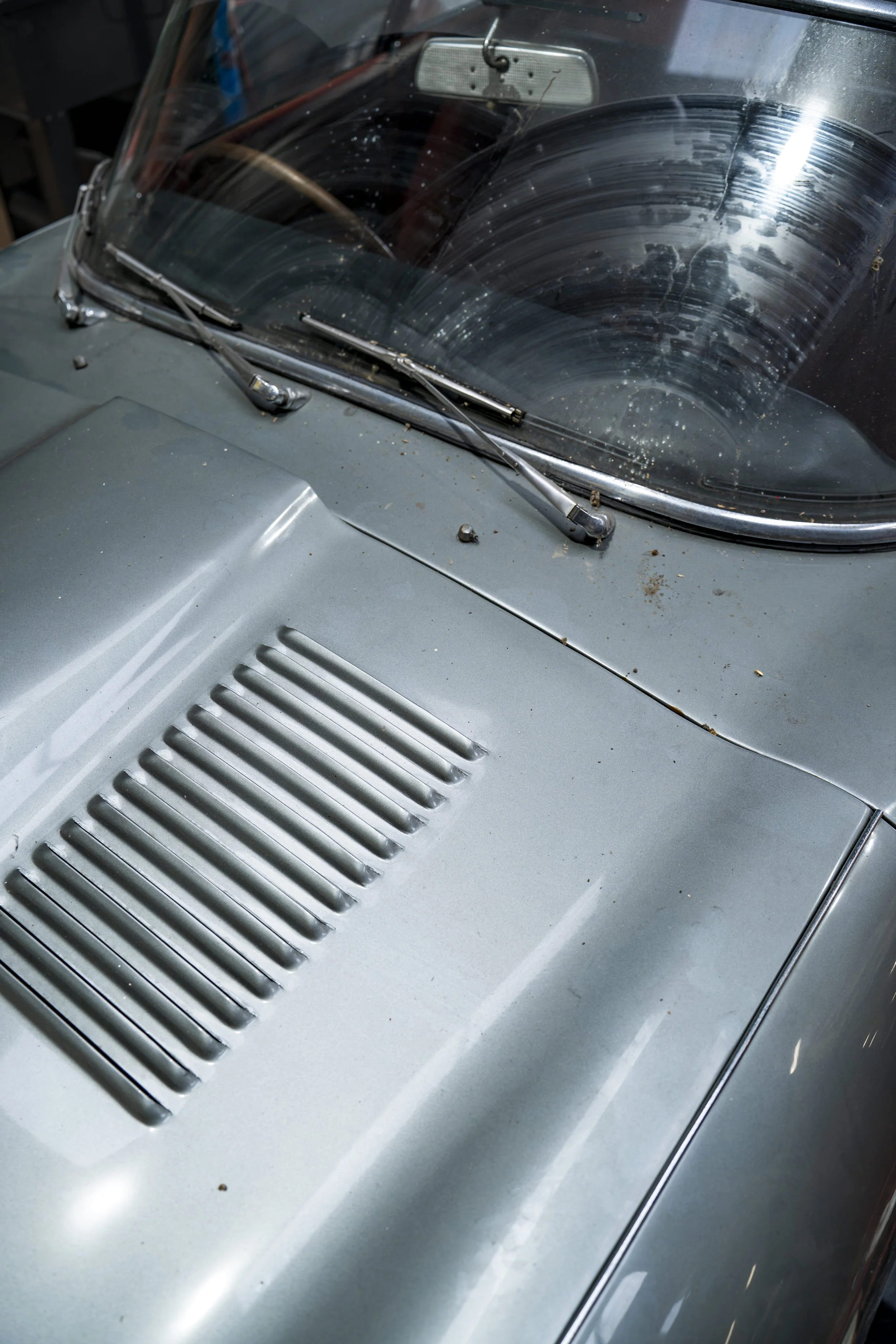
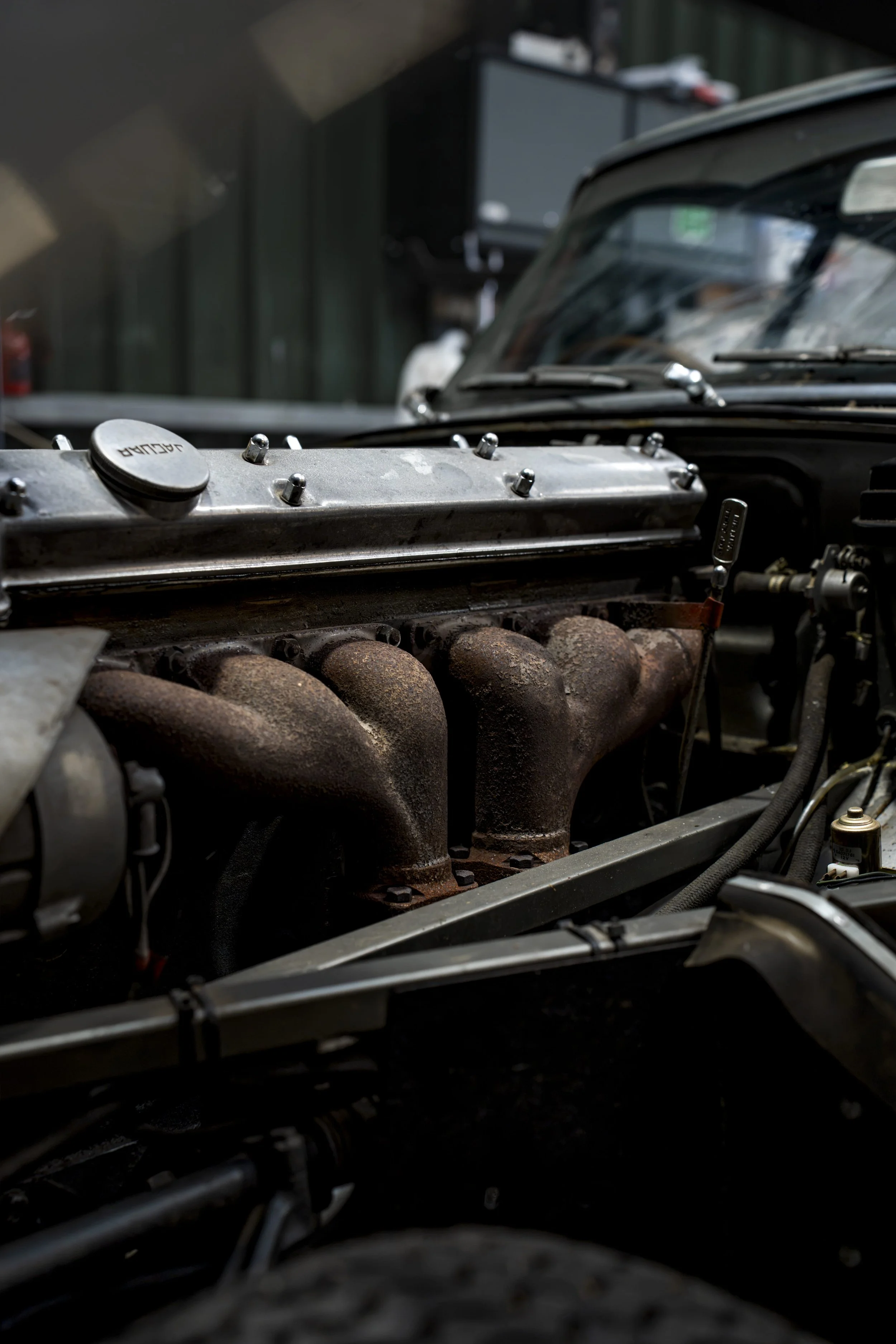
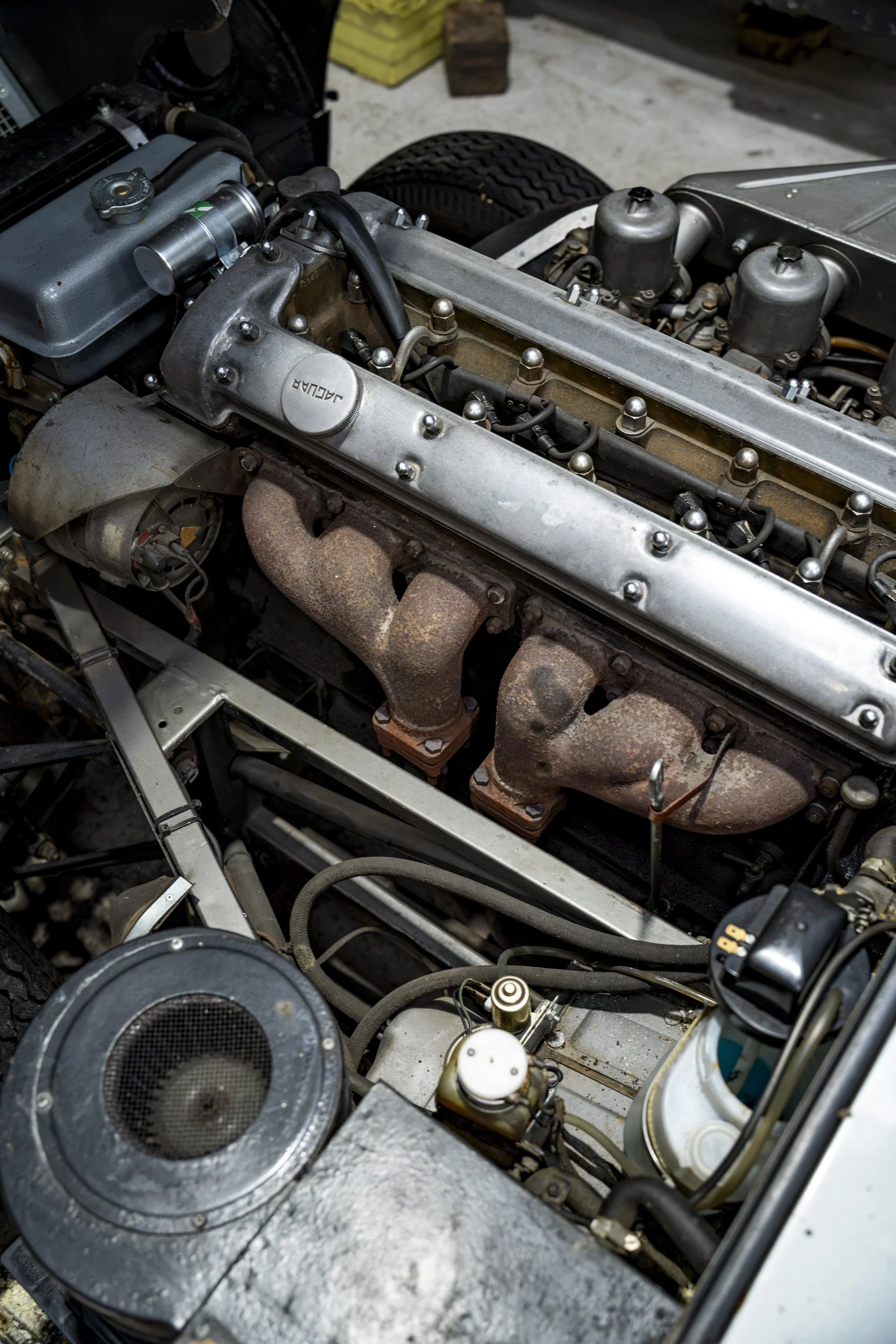
One of the first steps in recommissioning the E-Type was to assess the engine’s condition following its 20 years in storage. Before attempting to start it, we carried out both a compression test and a leak-down test to help evaluate the condition of the engine’s internal components and identify any potential issues. With these initial checks completed, attention turned to the fuel system, where the necessary repairs were carried out to allow the engine to be started successfully. Now running, the engine will undergo further assessment, with checks for unusual noises, leaks, smoke or running issues to identify any areas requiring additional investigation.
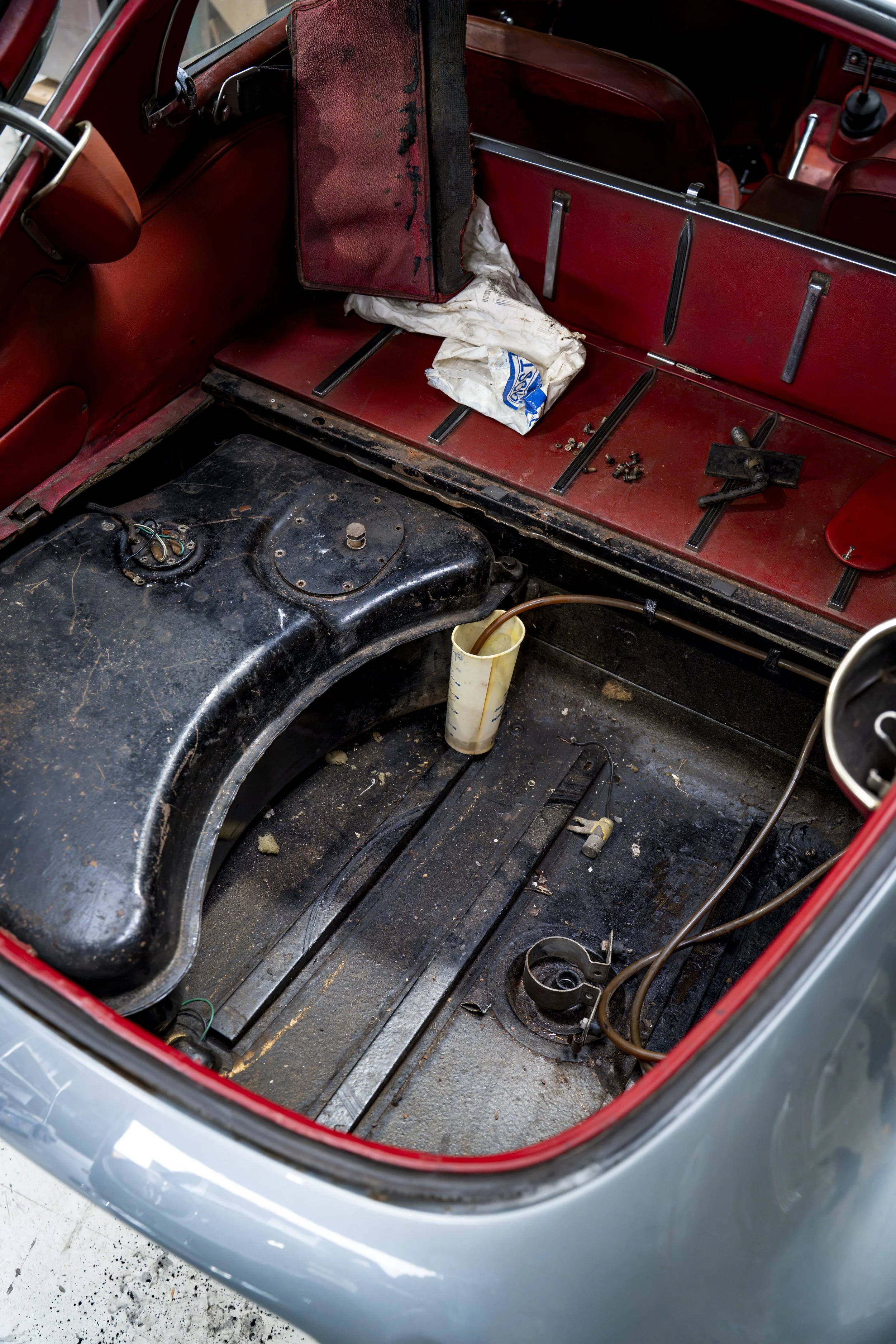
Another key area of the recommissioning process is the fuel system. After 20 years in storage, the E-Type’s fuel tank has been drained, and work is currently underway to get the fuel system back in place. The fuel system components need to be assessed after a long period of inactivity, which is an important step in preparing the engine for reliable operation. The replacement tank was trial-fitted and carefully adjusted, with two areas ground down to achieve the correct fit. The heavily rusted fuel pickup and pipe were also blasted before being primed and painted. The tank sump has also been drilled and tapped to make future draining easier, providing a practical improvement for ongoing maintenance, and the fuel pump has also been fitted.
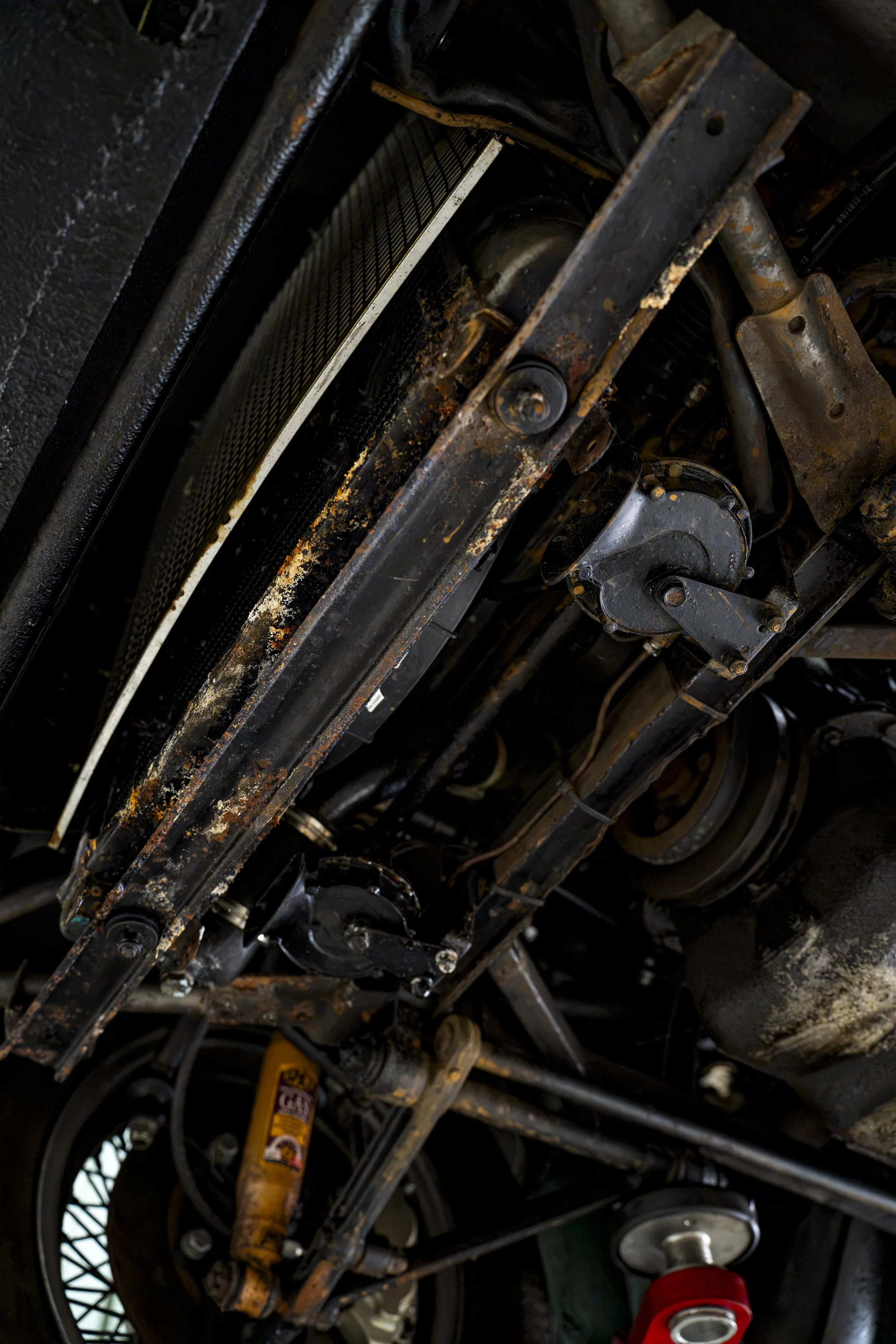
In addition to the fuel system, our technicians are also working on the clutch and drivetrain. After fitting and bleeding the clutch slave cylinder, it was revealed that the issue lay with the clutch itself, which was seized. To properly assess the clutch and surrounding components, further access to the clutch was required. The engine, gearbox and flywheel were removed, and we began the initial checks on the clutch. While the engine was out, the distributor was also cleaned and the core plugs removed as part of the ongoing mechanical work.
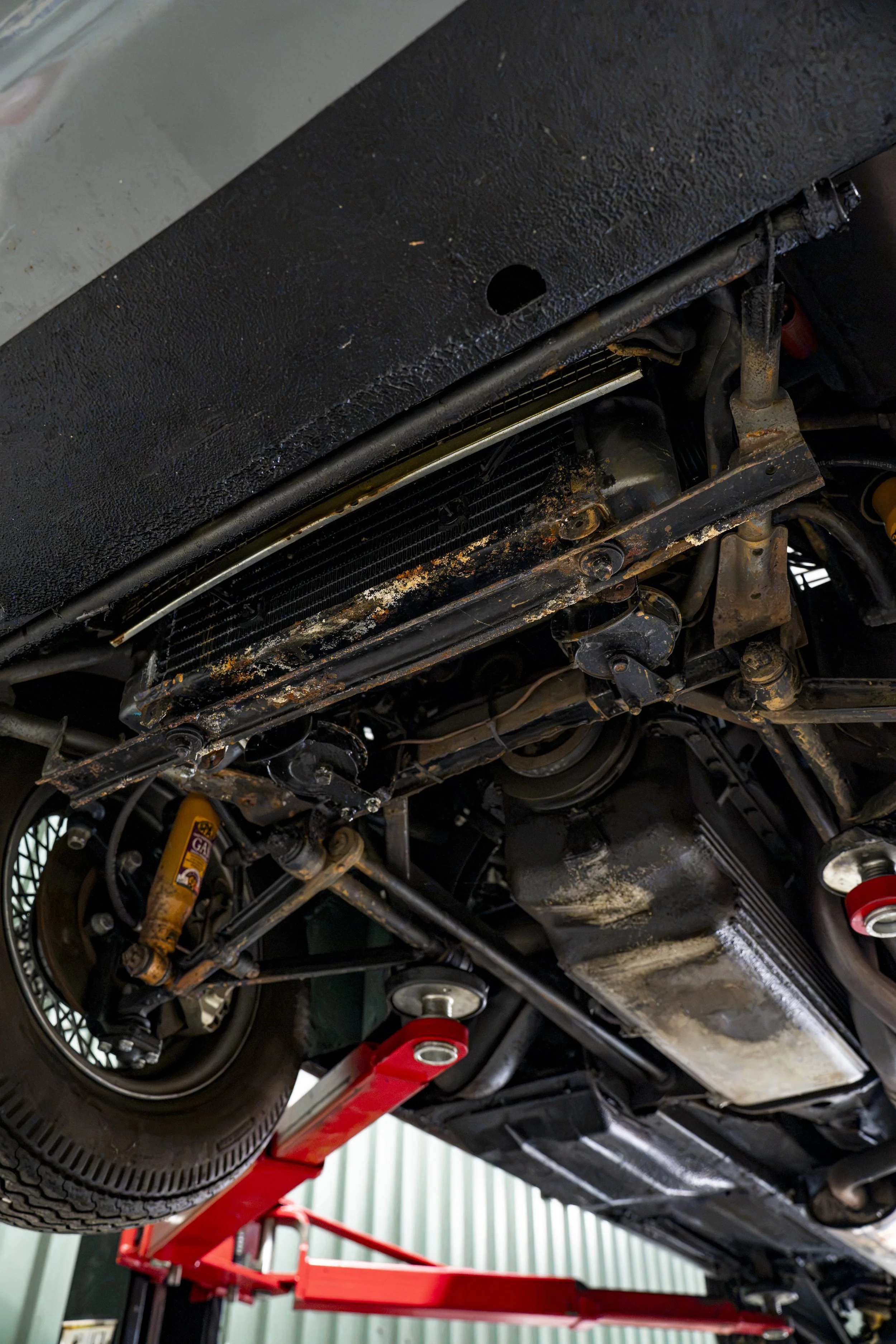
Furthermore, one of the main focus areas for the project is checking the rubbers, pipes, bushes and brakes and replacing parts where required. Replacing ageing components is an important part of preparing the E-Type for a reliable return to the road. All the rubber components and pipes will be replaced as part of the recommissioning process, as these components can deteriorate over time even when a vehicle is not being driven. The water pipes and bushes have also been identified for replacement, ensuring that these essential components are brought back up to the standard required for regular road use. Additionally, the brake system has also been checked as part of the initial inspection. Taking the time to replace ageing components and check the car’s key mechanical systems is an important part of ensuring that its return to the road is both safe and reliable.
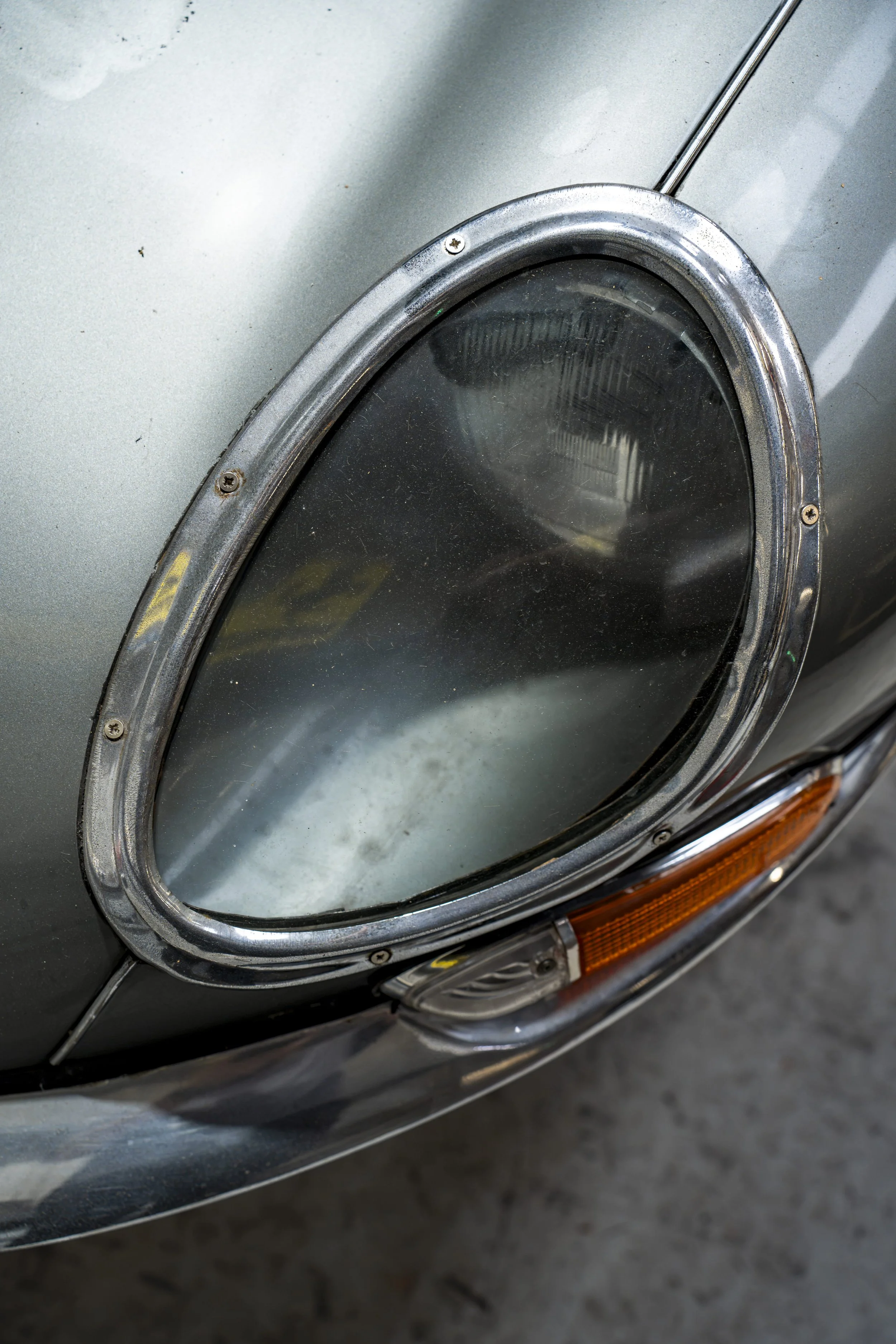
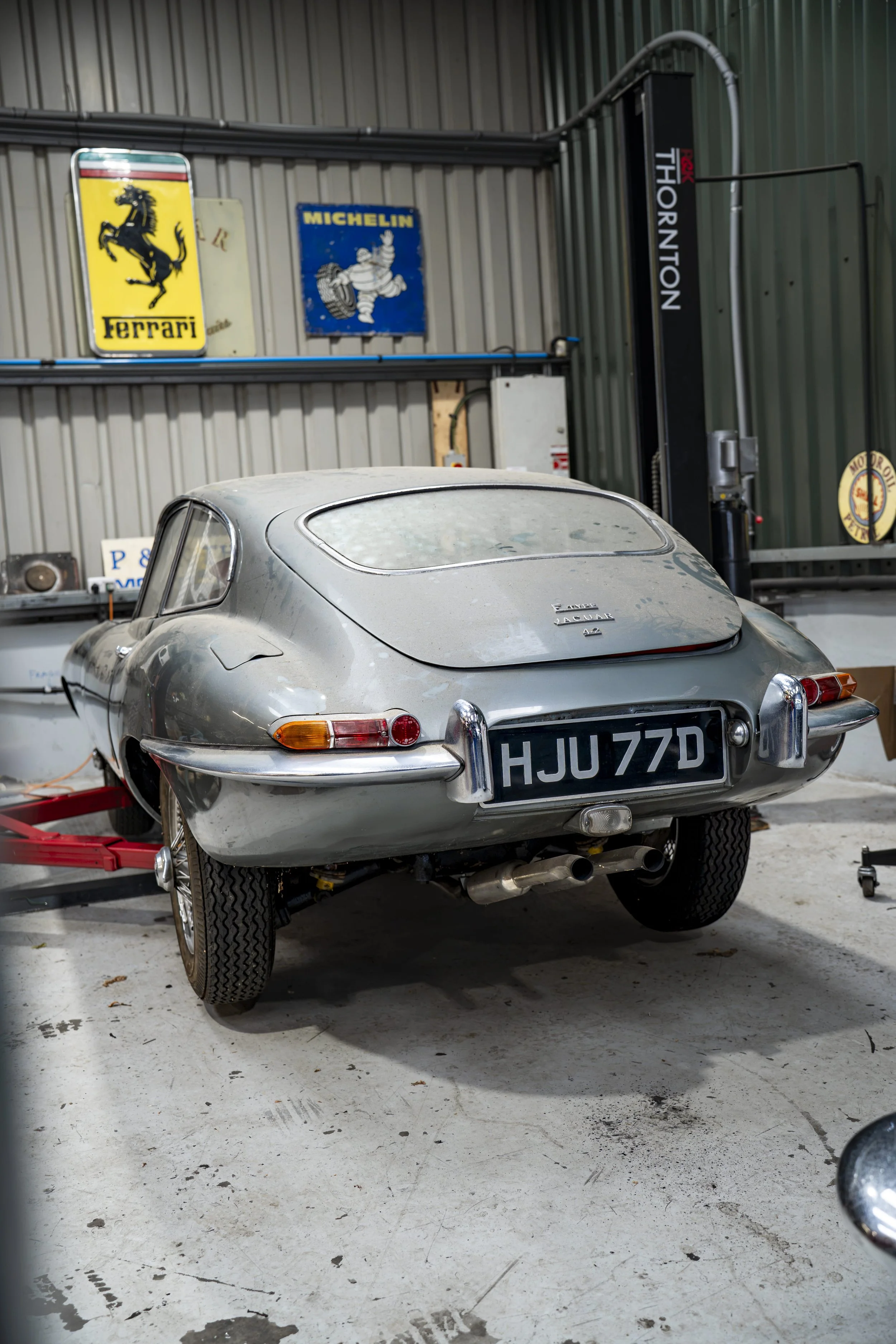
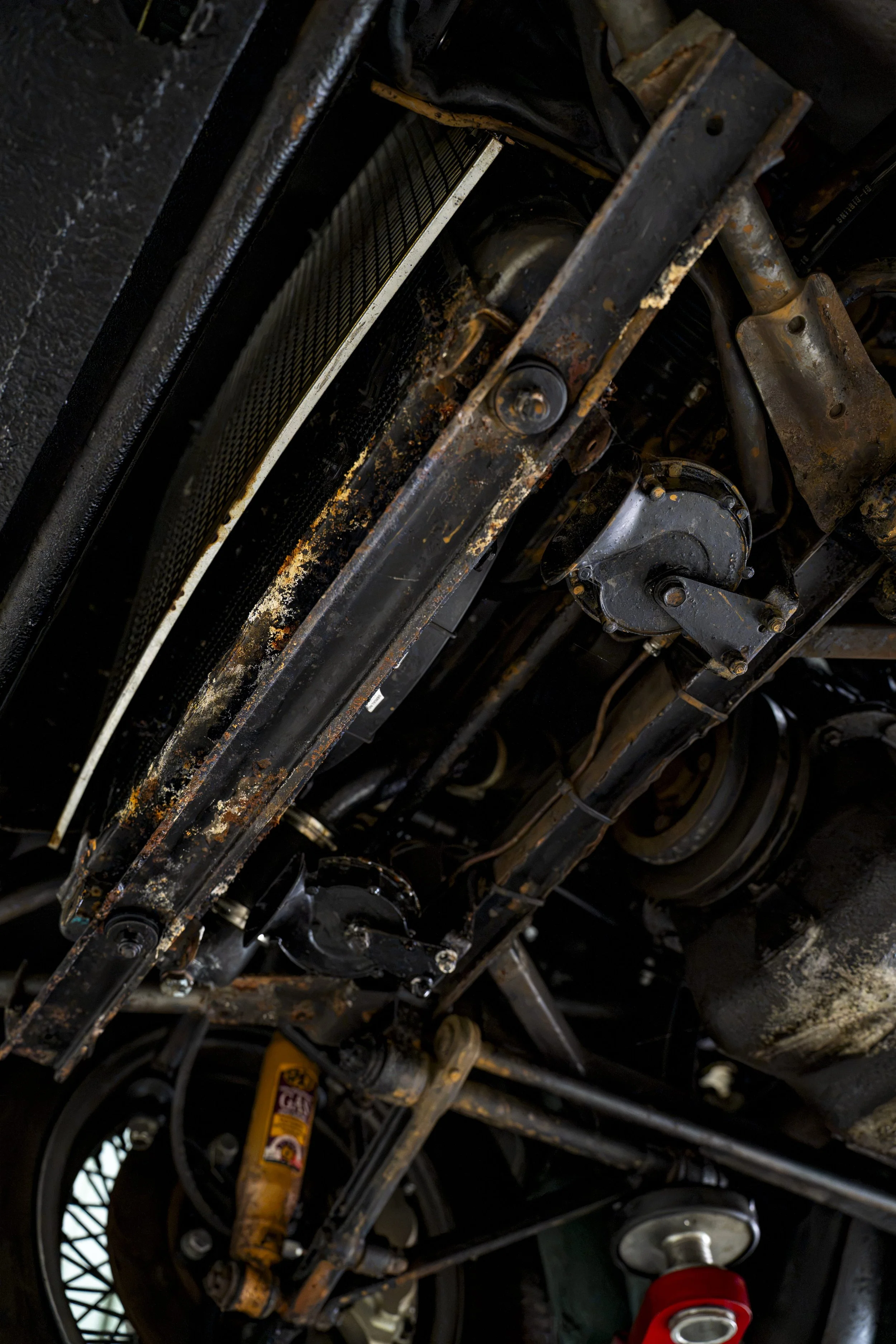
The effects of 20 years in storage are not limited to the Jaguar’s mechanical components, with corrosion and water leaks requiring the attention of our specialist technicians during the recommissioning process. Any corrosion identified will need to be addressed appropriately, while water leaks will also be investigated and repaired to prevent further issues in preparation for its MOT.
Later down the line, dry ice blasting and engine tuning might be considered during the later stages of the project. Dry ice blasting can help remove accumulated dirt and contamination from suitable areas and can provide a clearer view of the condition of components and surfaces, especially considering some areas of the Jaguar have significant accumulation of grime from its years in storage. Also, engine tuning may be considered once the mechanical work is further along. The engine can potentially be assessed on the rolling road, which would allow its performance to be checked and adjustments made where necessary.
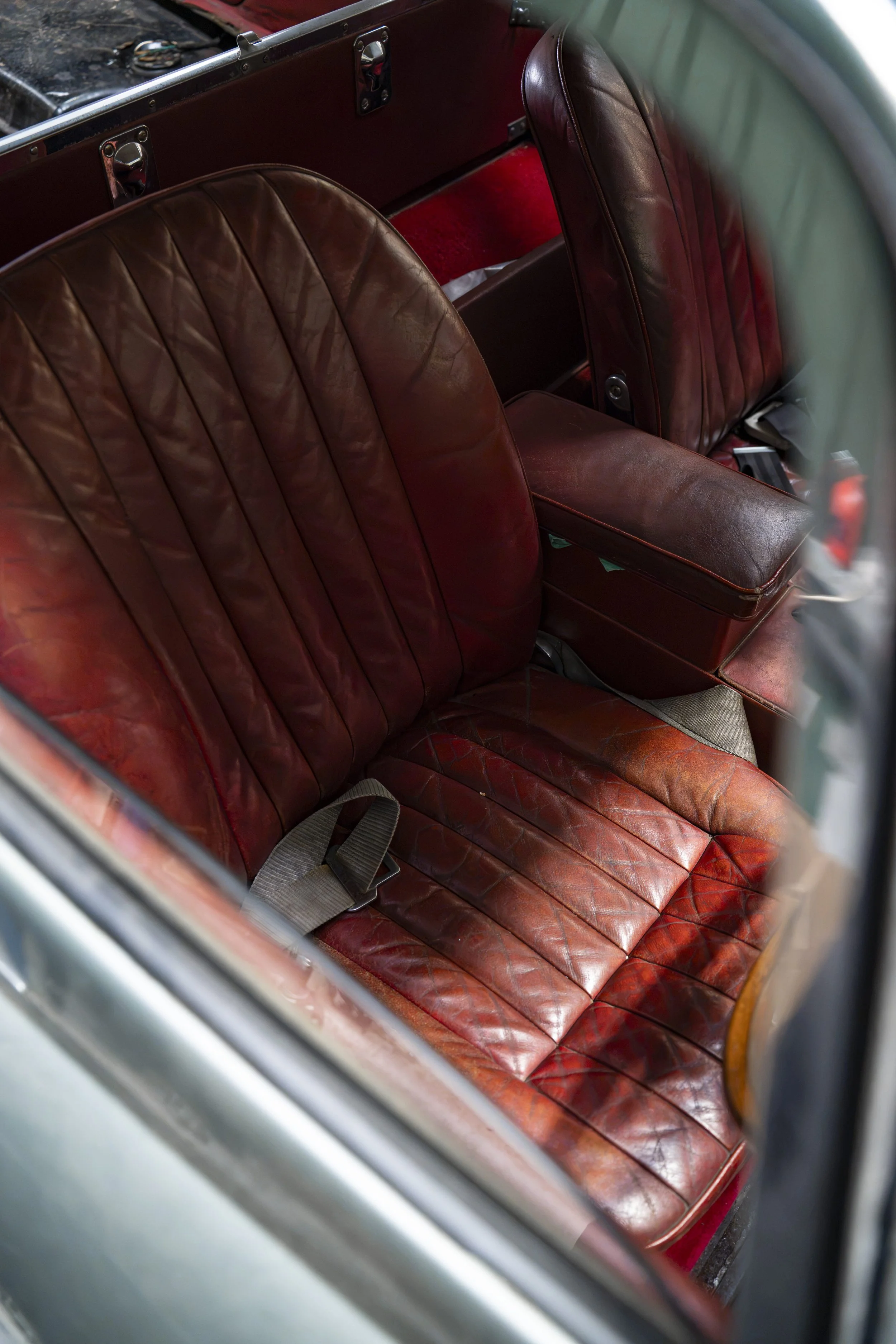
Overall, the recommission aims to prepare the E-Type to pass its MOT. Before this can happen, the team needs to complete the fuel-system work and ensure it operates reliably, resolve the clutch issue, refit the engine and gearbox and replace any required rubbers, pipes and bushes. In addition, we need to repair any identified corrosion and address water leaks, along with completing any brake-related work where necessary and carrying out any other work, including any cleaning/tuning work required.
We have only just begun this recommission, and the E-Type has already overcome some of its first major challenges. The work so far has already highlighted the challenges of bringing a classic car back to life after 20 years in storage, with further mechanical repairs, corrosion work and system checks still to come; the project will continue to progress towards the ultimate goal of returning this iconic E-Type to the British roads.
Make sure to check out our website for any project updates. If you are looking to recommission a classic Jaguar, please don’t hesitate to get in contact. Call us on 0115 9262266 or email us at info@thorntonrestorations.com.