Servicing a 6-Cylinder Jaguar E-Type
Since we opened in 1967, we have seen a range of Jaguar 6-Cylinder E-Types enter our workshops, each undergoing a wide variety of work, ranging from a full restoration to servicing and mechanical upgrades. After covering how to service the XK 6-cylinder engine, we have also provided a breakdown of the other key areas of a service that are required for the 6-cylinder E-Type.
The 6-cylinder E-Types were provided with either a 3.8L or 4.2L engine, ranging from Series 1, 1.5, and 2 E-Types. As Jaguar restoration specialists, we wanted to take this opportunity to highlight some of the common issues that arise with the 6-Cylinder E-Type. From the transmission and cooling challenges to bodywork and suspension wear, our team has the knowledge, experience, and in-house facilities to address these issues properly.
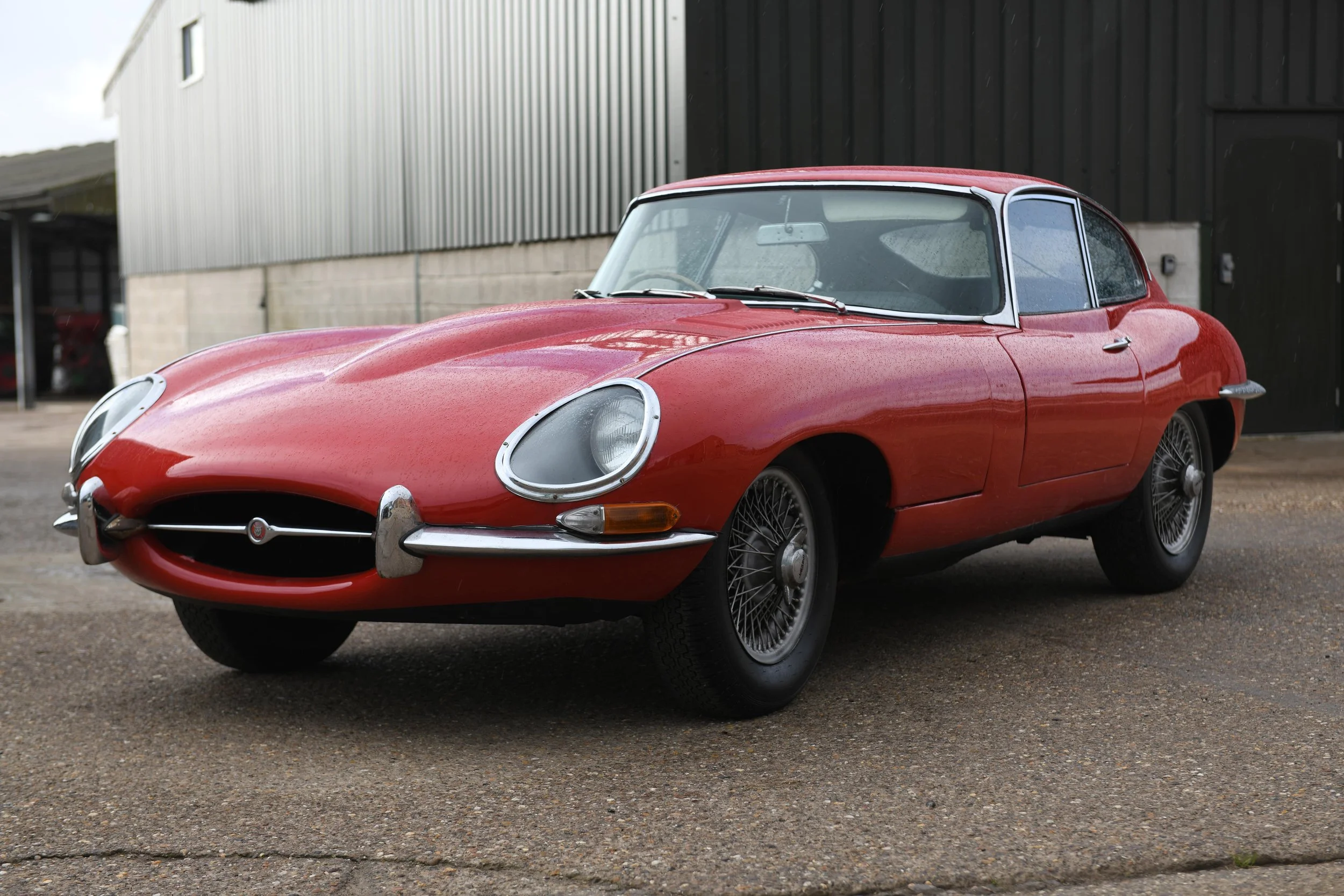
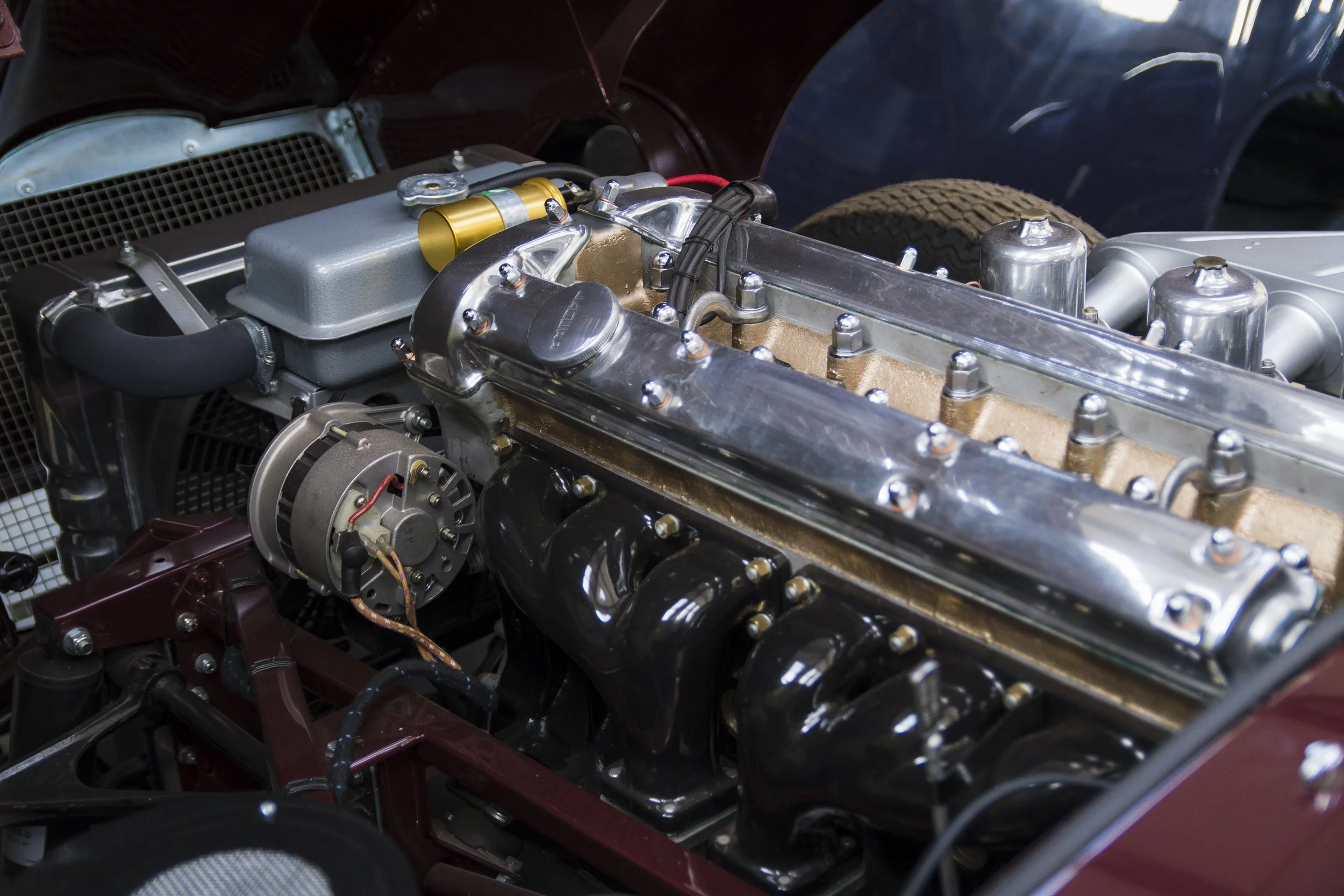
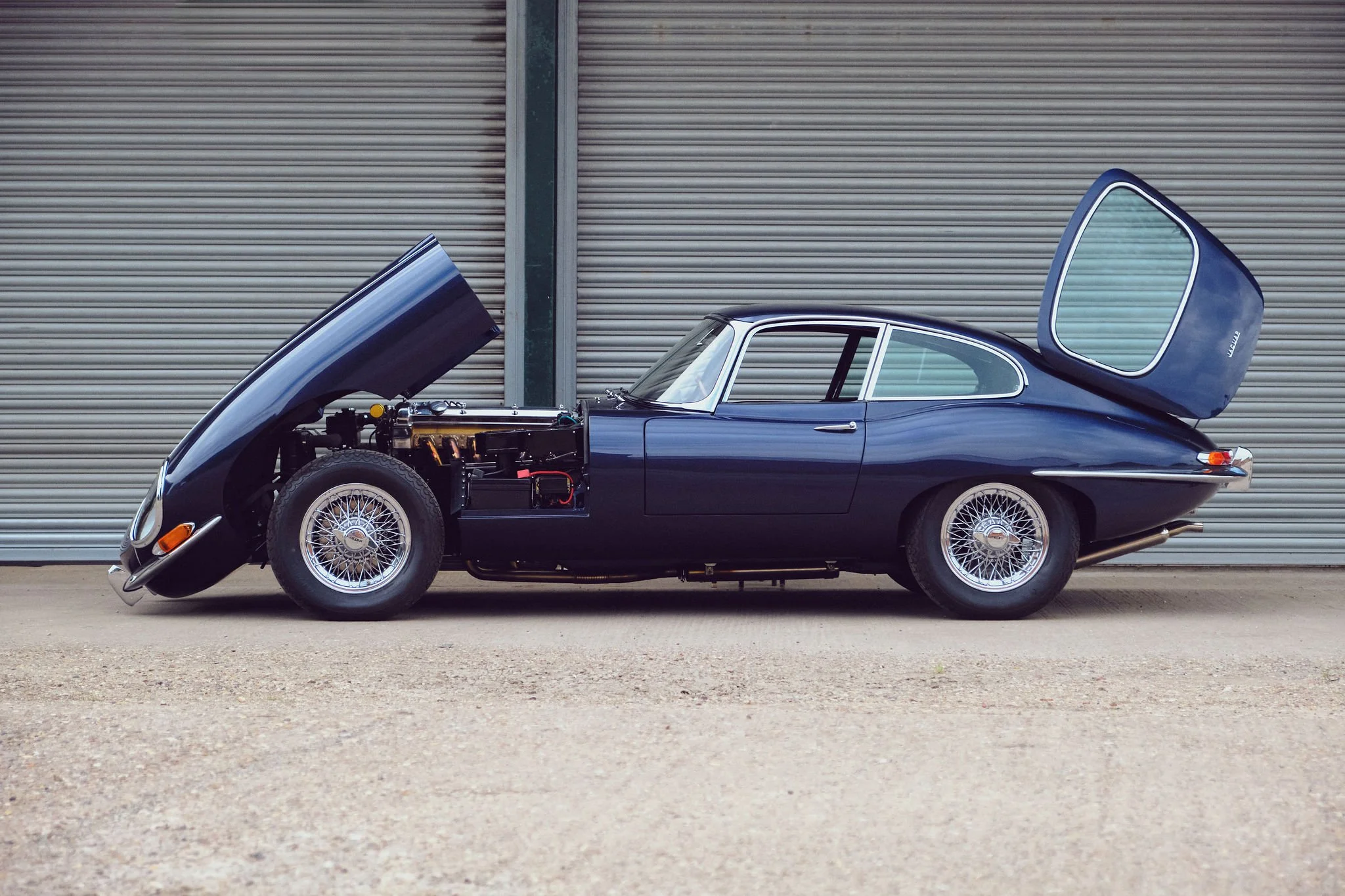
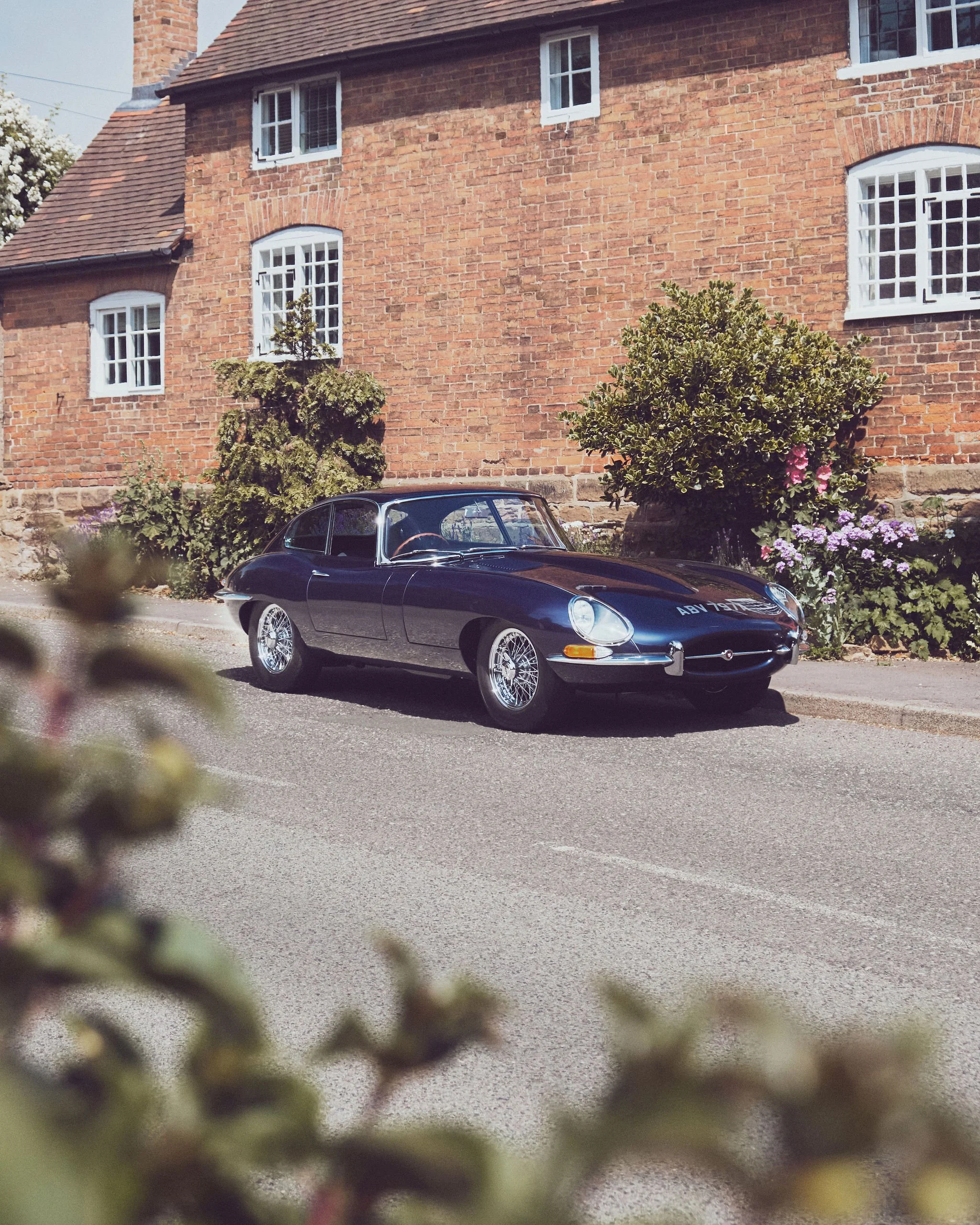
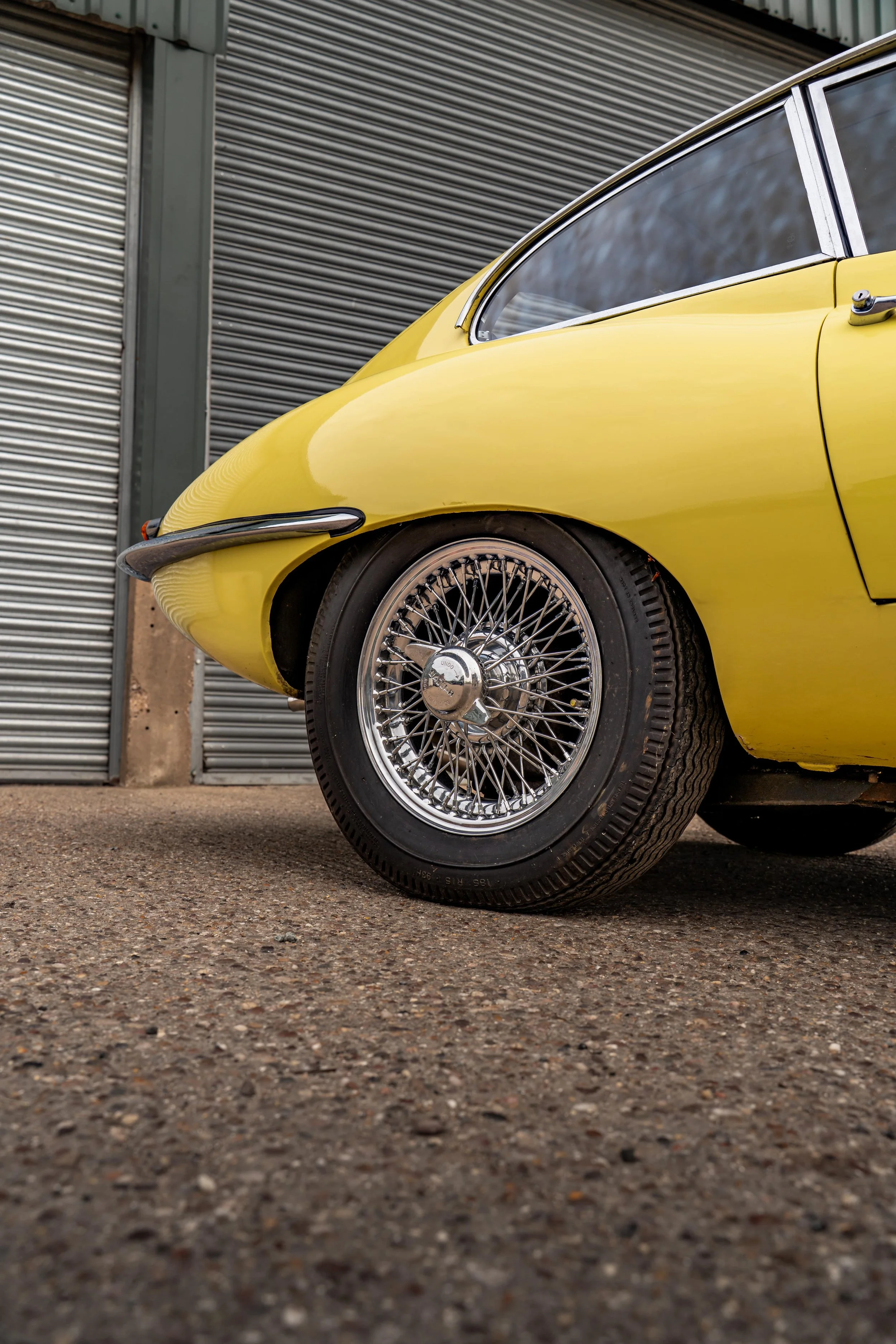
These Jaguars are iconic and have more mechanical simplicity than the later V12 models; however, due to their age, they demand expert care, especially now that these vintage vehicles are over 60 years old. Additionally, earlier E-Type models tend to be more sought after by collectors, holding a higher price tag; therefore, it’s important to keep up to date with general maintenance. Regular maintenance intervals with oil & filter changes, inspecting the spark plugs and ignition points, valve adjustments and cooling system checks will help prevent expensive repairs and help retain your E-Type’s value. With decades of experience and a proven track record, we believe we are the best equipped to keep these magnificent Jaguars both reliable and enjoyable to drive. This article gives a full, comprehensive breakdown about servicing these beloved Jaguars.
Ignition & Electrical System
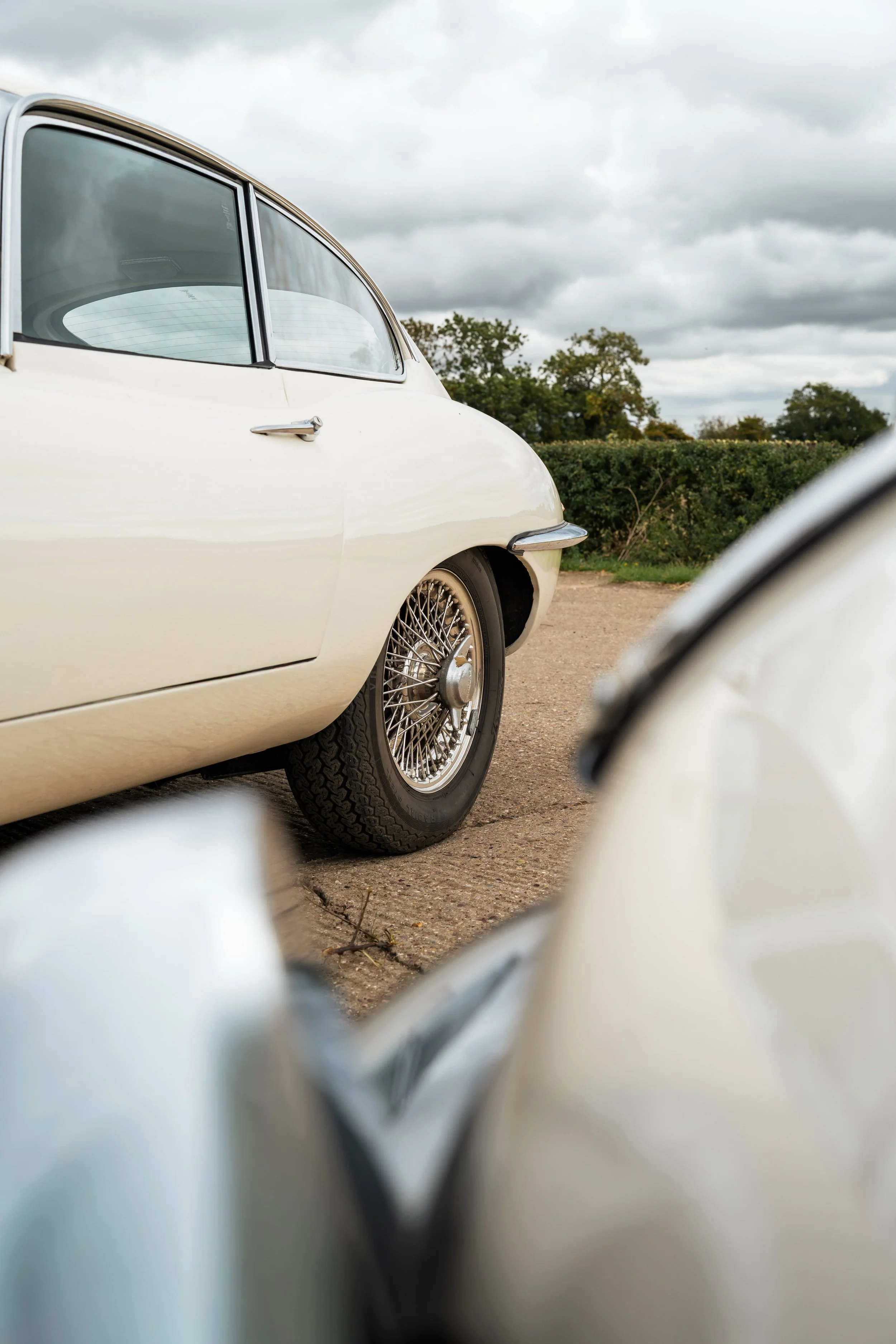
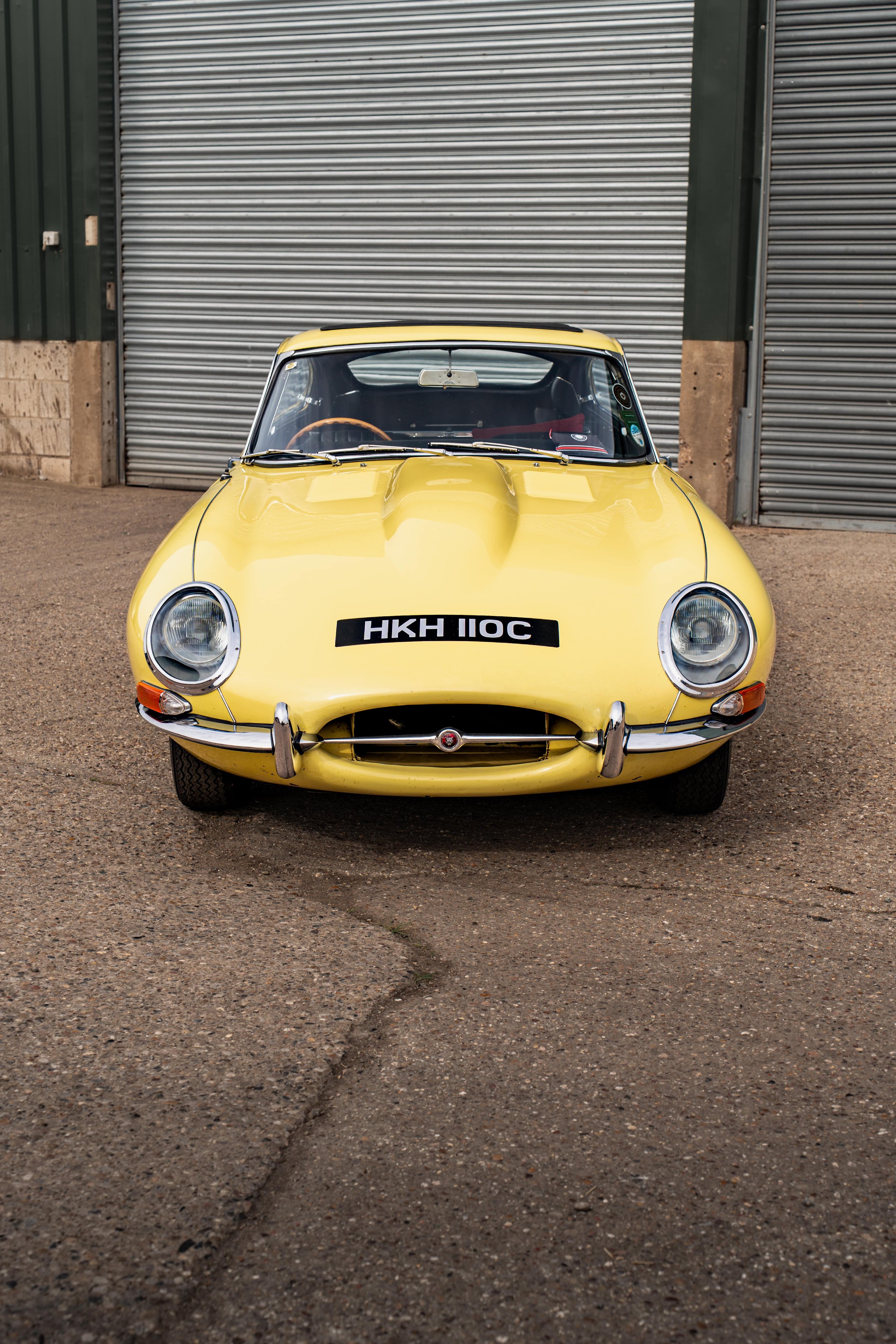
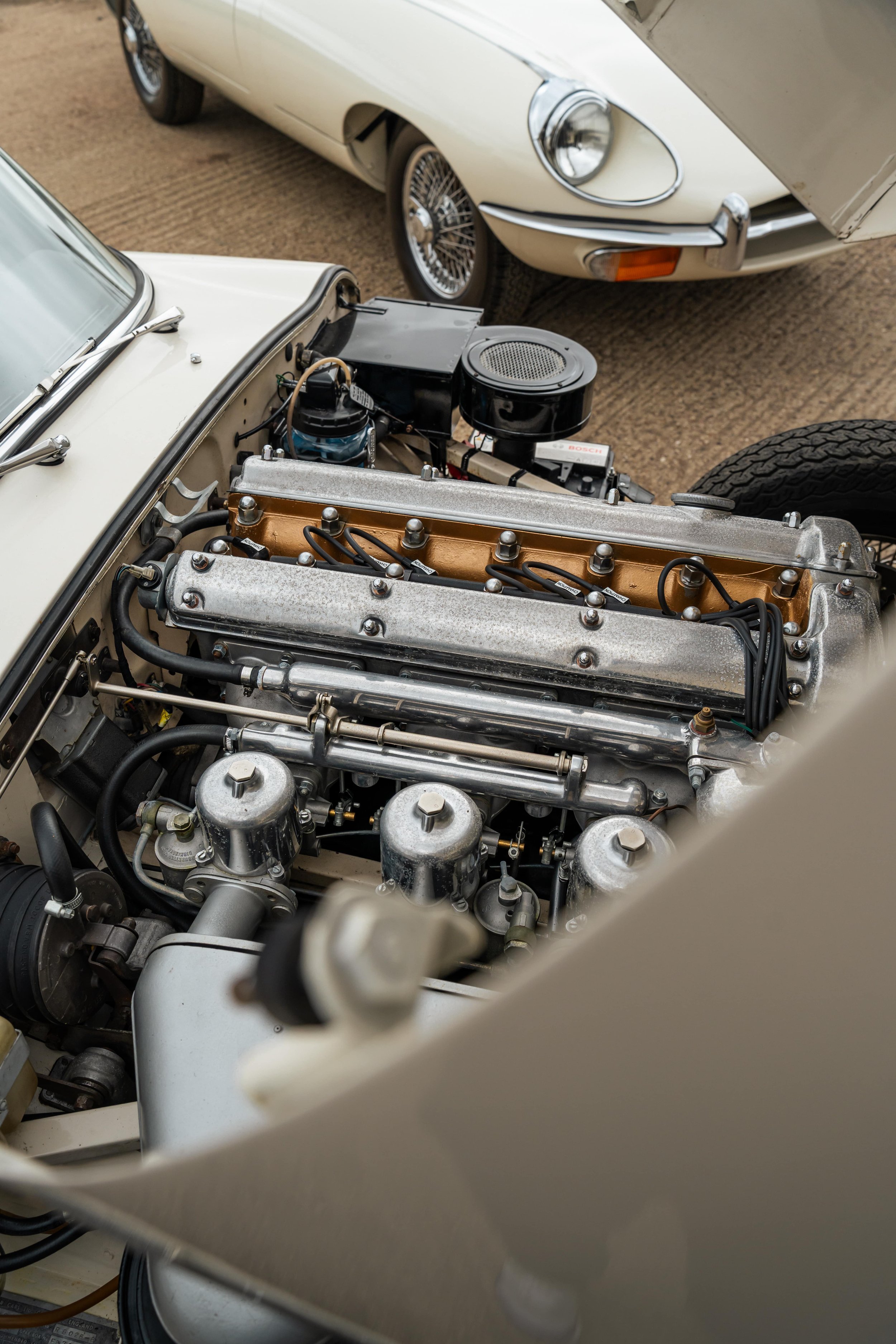
The 6-cylinder E-Type ignition system is simple and robust, but it is also one of the most sensitive areas. A large proportion of misfires, poor idling, and hot-starting issues on XK engines come down to wear in the distributor, poor connections, or ageing components. For these reasons, the ignition system should be one of the key areas to check during a service.
Distributor & contact points:
Most Series 1 and 2 E-Types still run on the original Lucas points-based distributor, unless it has been converted to an electronic ignition. However, point systems require more maintenance.
During a service, you should check the condition of the points. Look for pitting, burning or blue discolouration; these are all signs that the condenser may be weak or failing. You should also ensure there is the correct point gap, which is measured with a feeler gauge on the high point of the distributor cam. This gap affects the dwell angle. If the gap is too small, it can create a weak spark and hard starting, and if it’s too big, it can lead to misfires and rough running. Also, it’s important to check for distributor cam wear, because worn lobes cause inconsistent dwell between cylinders, along with the rotor arm and cap, check for burning, cracking or looseness and examine inside the cap for carbon cracking, corrosion on the terminals, or hairline cracks.
The distributor also has two advance systems that should be checked during a service, with a large proportion of carburettor problems being caused by faulty advance mechanisms. For the mechanical advance, it’s important to make sure the weights move freely and return smoothly. Additionally, on the vacuum advance, the diaphragm must hold vacuum, because split diaphragms cause lazy low-speed performance and overheating in traffic.

Coil & High-Tension Leads:
In addition, it is critical to check the ignition coil, and HT leads during a service on a classic vehicle, because these components can develop issues with age. Whilst servicing the ignition coil, check for oil leakage, test the output if the vehicle misfires under load and ensure the correct coil type is fitted. Additionally, with the HT leads, check for brittle insulation, cracked ends and high resistance with a meter test. Poor HT leads cause misfires on damp mornings, sharp hesitation during acceleration and occasional backfires.
Alternator / Dynamo & Charging System:
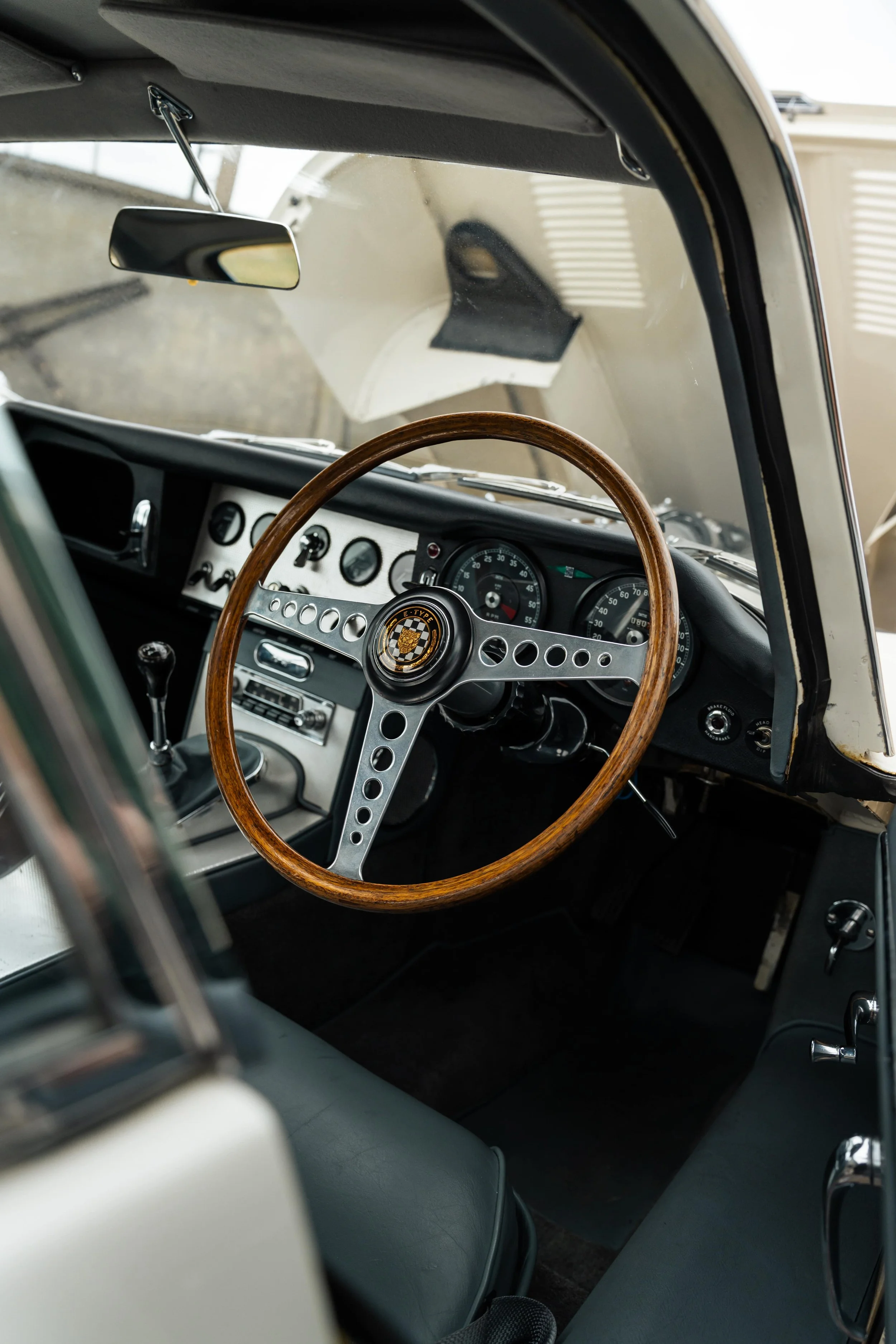
Either a dynamo or an alternator is used across the different E-Type models. During a service, look for the correct charging voltage at idle and at raised RPM. Listen for bearing noise from the alternator/dynamo. Inspect the plug/connector for heat damage. It is also important to check that the drive belt is tight and not frayed.
Battery & Earth Connections:
The XK engine is extremely sensitive to poor earths, which can result in slow cranking, intermittent ignition cut-out, tachometer flickering, and weak spark despite a healthy coil and distributor. To help prevent this, check the battery terminals are tight, clean and free of white corrosion, check the earth strap from the engine to the chassis has clean ends, no fraying and good contact. Additionally, check the body earth points for clean metal-to-metal contact and the battery condition.
Ignition Timing:
After the points are set and the distributor has been checked, the final task is to set the ignition timing. Incorrect ignition timing can cause overheating, loss of power and a sluggish response.

Transmission and Driveline
Gearbox:
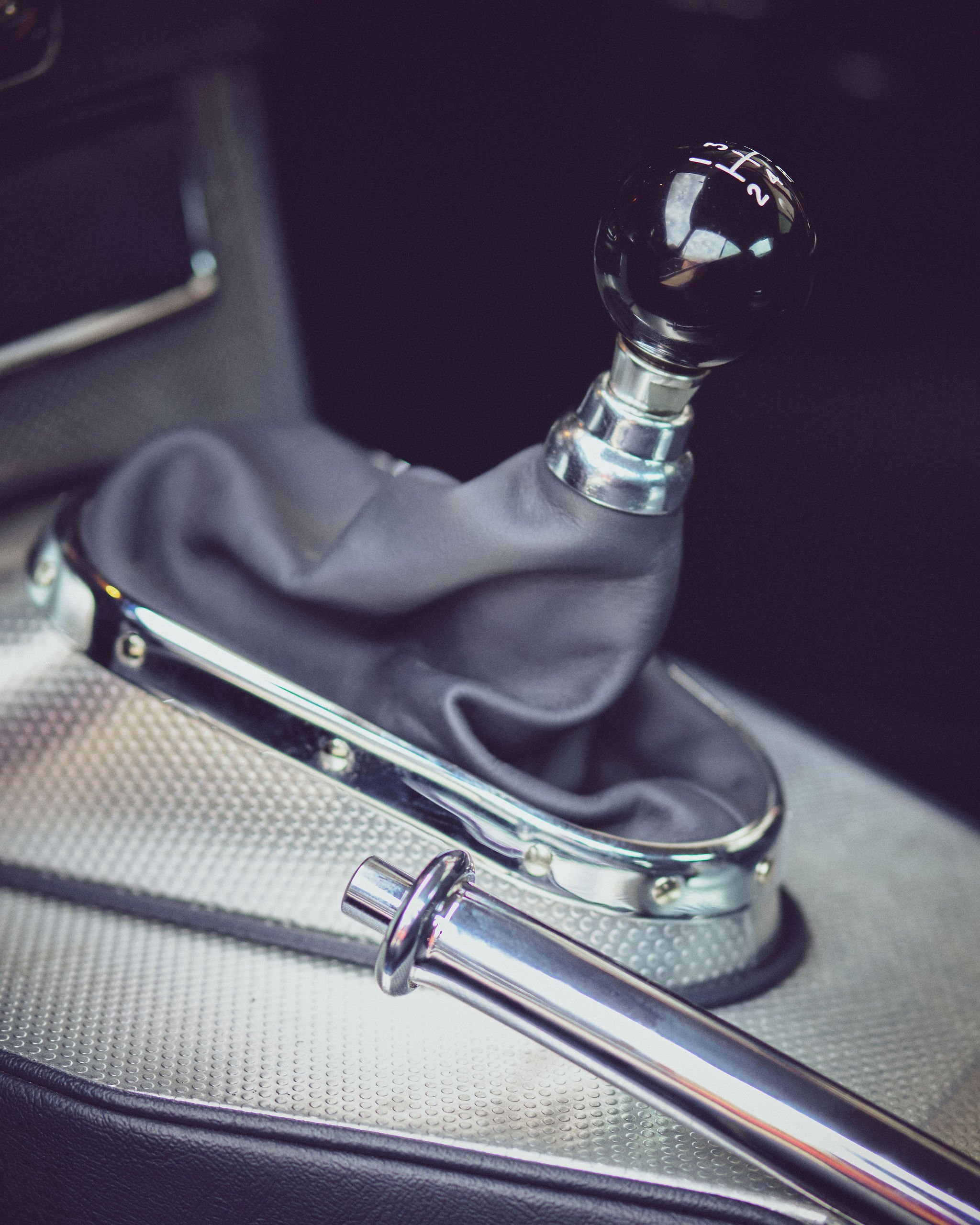
Early E-Types used the Moss 4-speed gearbox, and later Series 1.5 and Series 2 models used Jaguar’s all-synchromesh unit. Key areas to inspect include oil level and condition, check the selector shaft seals, rear tail shaft seal and front input seal for leaks. Along with checking the synchromesh health and gear linkage/slop. Some common issues include the Moss boxes whining in 1st gear and reverse, a normal occurrence, and all-synchro boxes developing 2nd gear baulking if the oil is old. In addition, pressurisation of the gearbox pushes oil out of seals.
Clutch System:
The E-Type uses a hydraulic clutch, which requires the fluid to remain in good condition; this is just as important as keeping up with the system’s mechanical health. Whilst servicing the E-Type’s clutch system, it’s critical to check the clutch pedal for free play, which can mean air in the system or a failing master/slave cylinder. It’s also important to inspect the hydraulic system for leaks, the clutch engagement, and check for a worn release bearing, which would produce a chirp or rumble when pressing the pedal. Additionally, you should check the fluid condition, because dark or contaminated fluid points to internal seal wear.

Differential/Final Drive:
During the service, you should check the oil level and condition, because metallic oil indicates bearing wear or crownwheel/pinion issues and look for pinion seal leaks, which are a common issue. Furthermore, some other key areas to inspect include the output shaft seals, a whine on the final drive (a whine on acceleration can indicate crownwheel wear, and a whine on overrun indicates pinion wear), along with excessive backlash and the universal joints for stiffness or free play and clicking when pulling away, which usually means worn U-joints.
Suspension, Steering & Brakes
Suspension Bushes:
When servicing classic cars, it’s important to inspect rubber components, which wear and crack over time. On the 6-cylinder E-Type, both the front and rear suspension rely heavily on rubber bushes. You need to watch for cracking or delamination of the rubber, if the bushes are squashed or missing completely, or excessive movement when prying components gently with a lever and any evidence of rubber breakdown from oil contamination.

Shock Absorbers:
The E-Type’s shocks (dampers) significantly affect ride and steering feel. Weak shocks are a common MOT failure for Jaguar E-Types. When conducting a service, you should check for oil leaks down the damper body, excessive oscillation with the bounce test, uneven ride height, and corroded mounts or brackets. Typically, if your E-Type feels floaty, wallowy, or unsettled over bumps almost always reveals weak dampers as the cause.
Steering System:
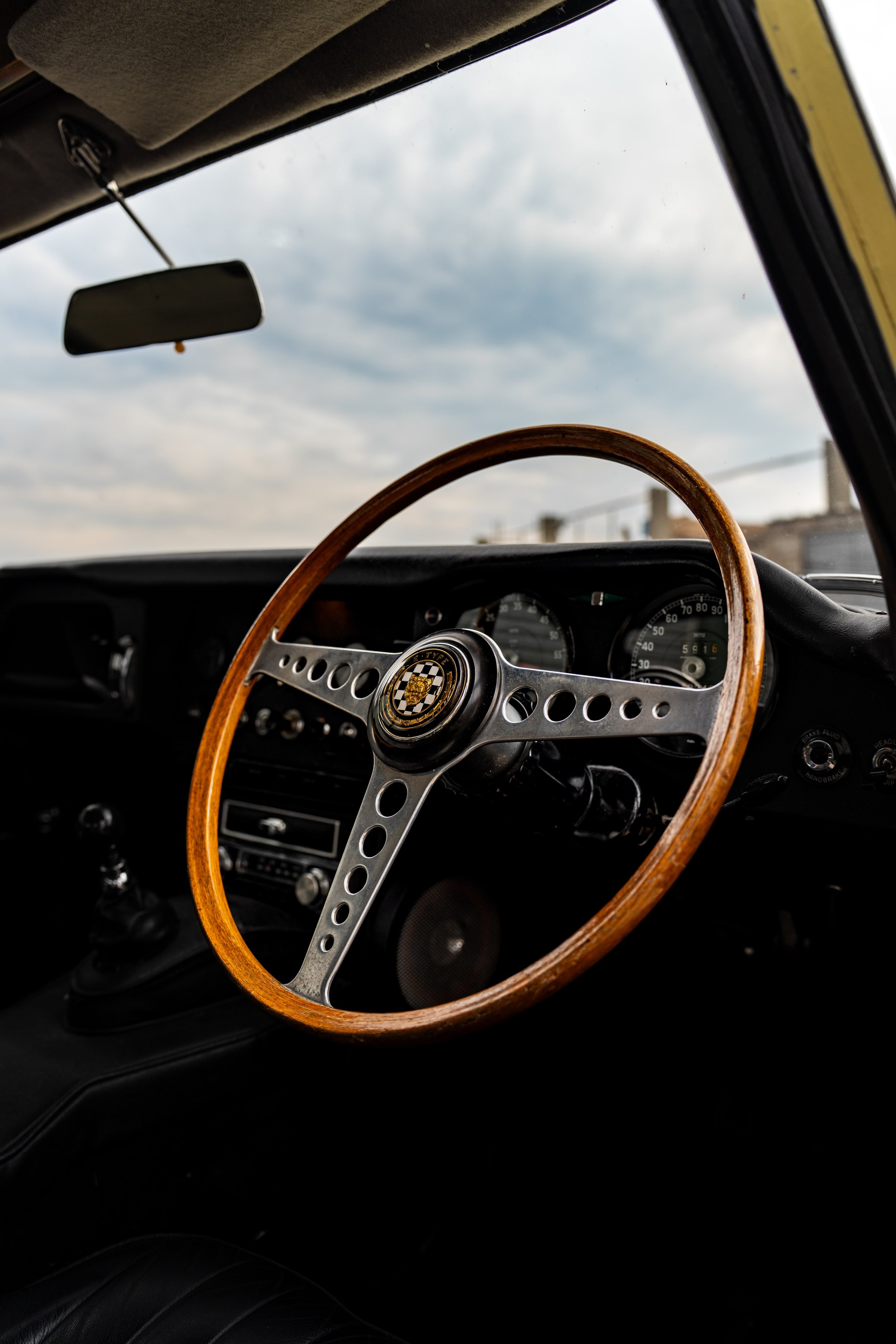
The early E-Types use rack-and-pinion steering, which feels wonderfully precise when it’s in good condition. When conducting a service, you should check for play in the rack and for stiffness or seized column U-joints, which cause heavy steering. Additionally, you need to check for leaks and ensure good tracking and alignment.
Brakes:
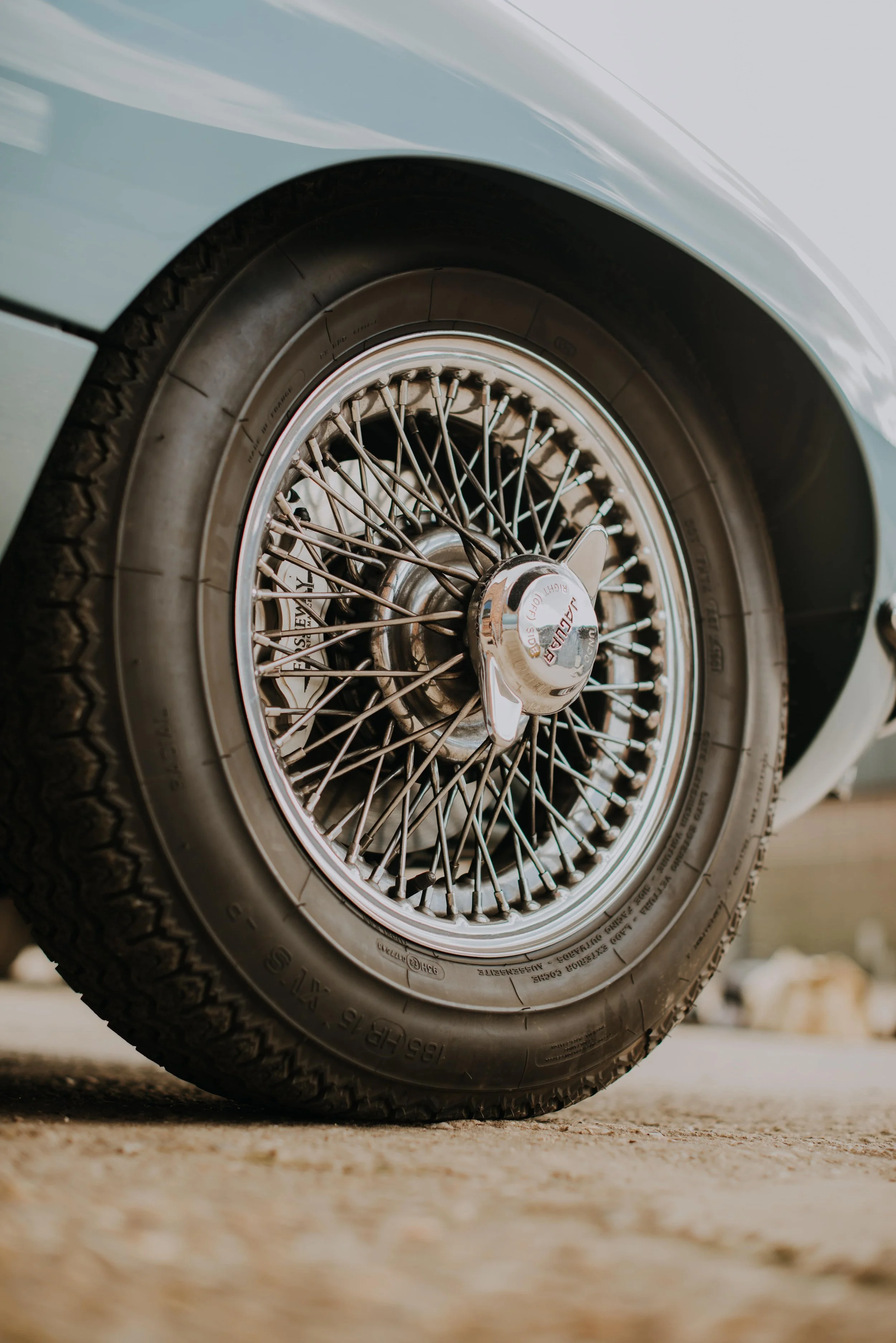
The braking systems can vary depending on the E-Type model, but some common service points include checking the condition of the pad/disc for glazing, uneven wear and disc lip, and checking the condition of the rear inboard brakes, which are harder to access; leaks here often go unnoticed until they’re severe. As well as checking the condition of the brake fluid, handbrake mechanism, and checking the brake hoses for any cracking.
Bodywork and Chassis
Rust-Prone areas:
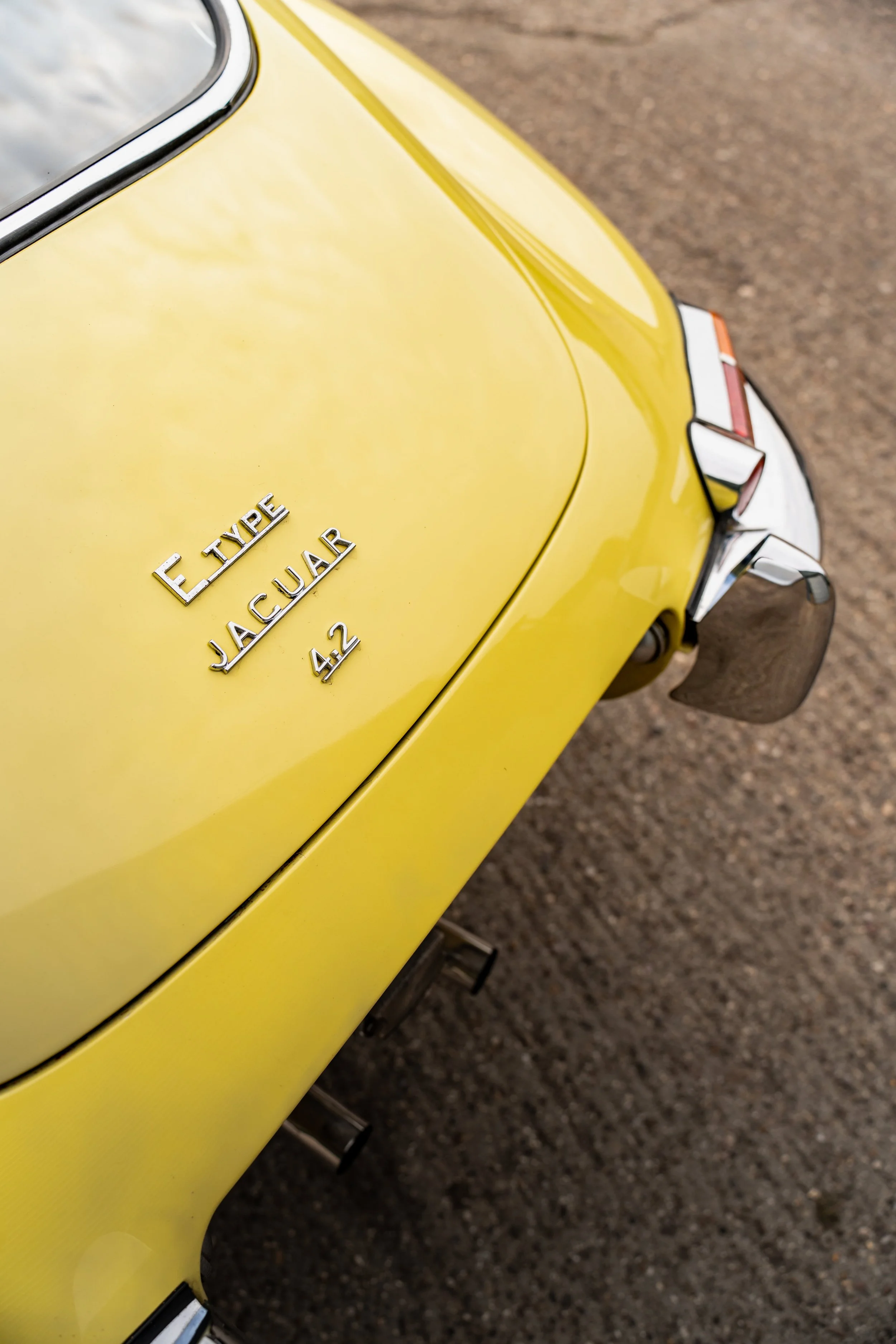
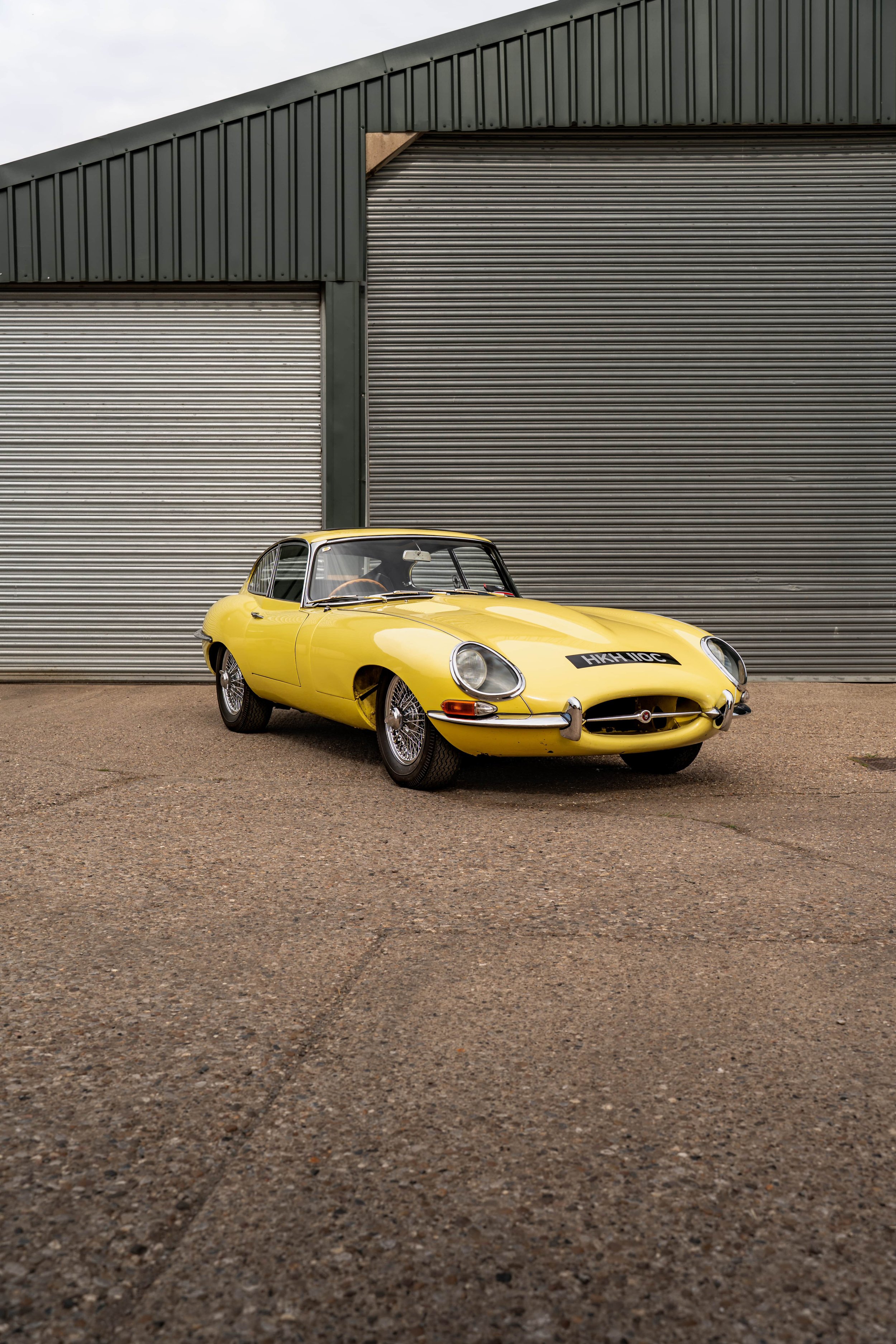
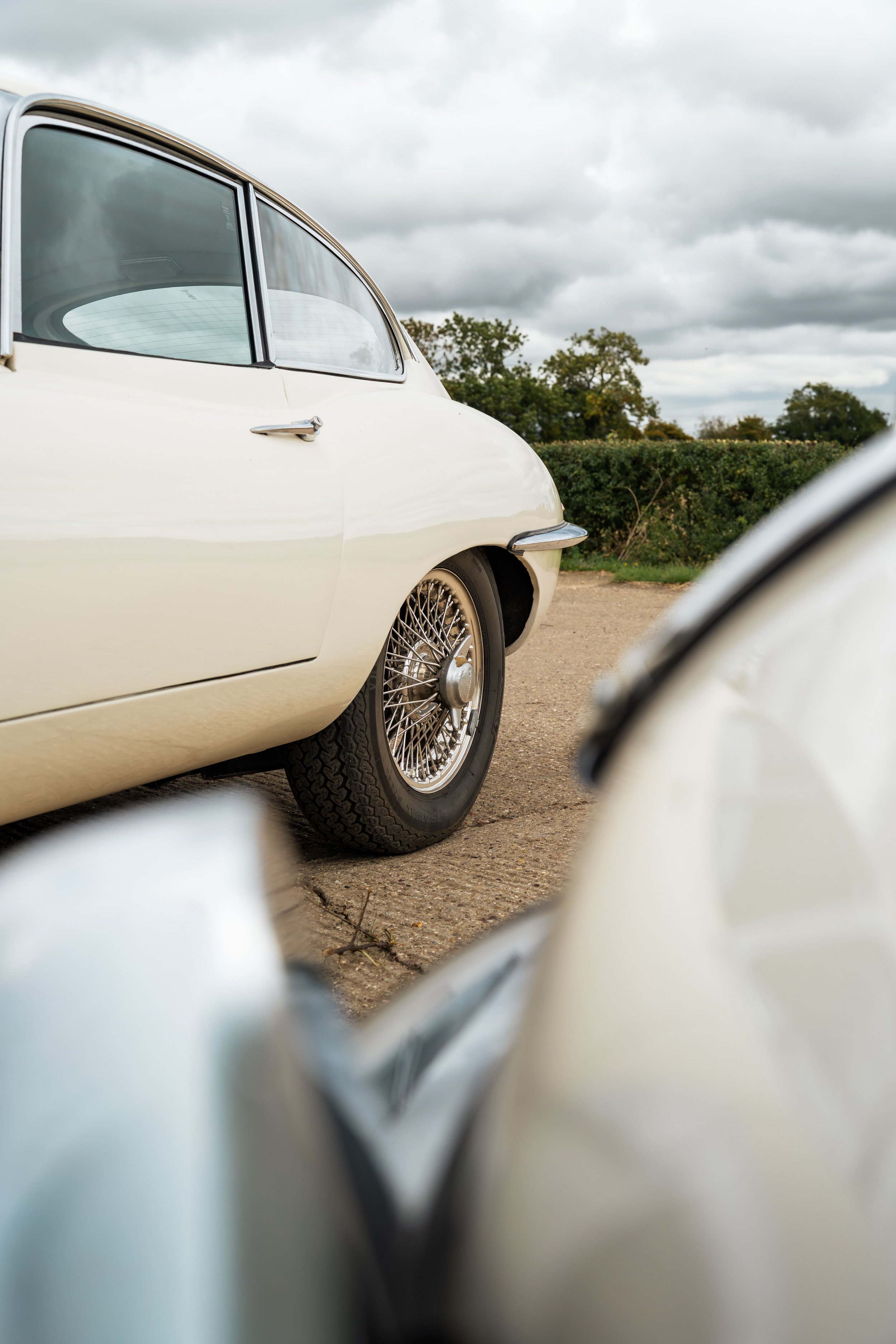
One of our great arch-nemesis for our beloved classic cars is corrosion. Now the Series 1 Jaguar E-Type is approaching 65 years old; these legendary cars weren’t provided with the same rust protection materials used on modern cars today. Some key areas to inspect during your service for rust are the inner and outer sills, floor pans, rear bulkhead and boot floor, wheel arches, door bottoms, and scuttle panels.
Chassis Frames:
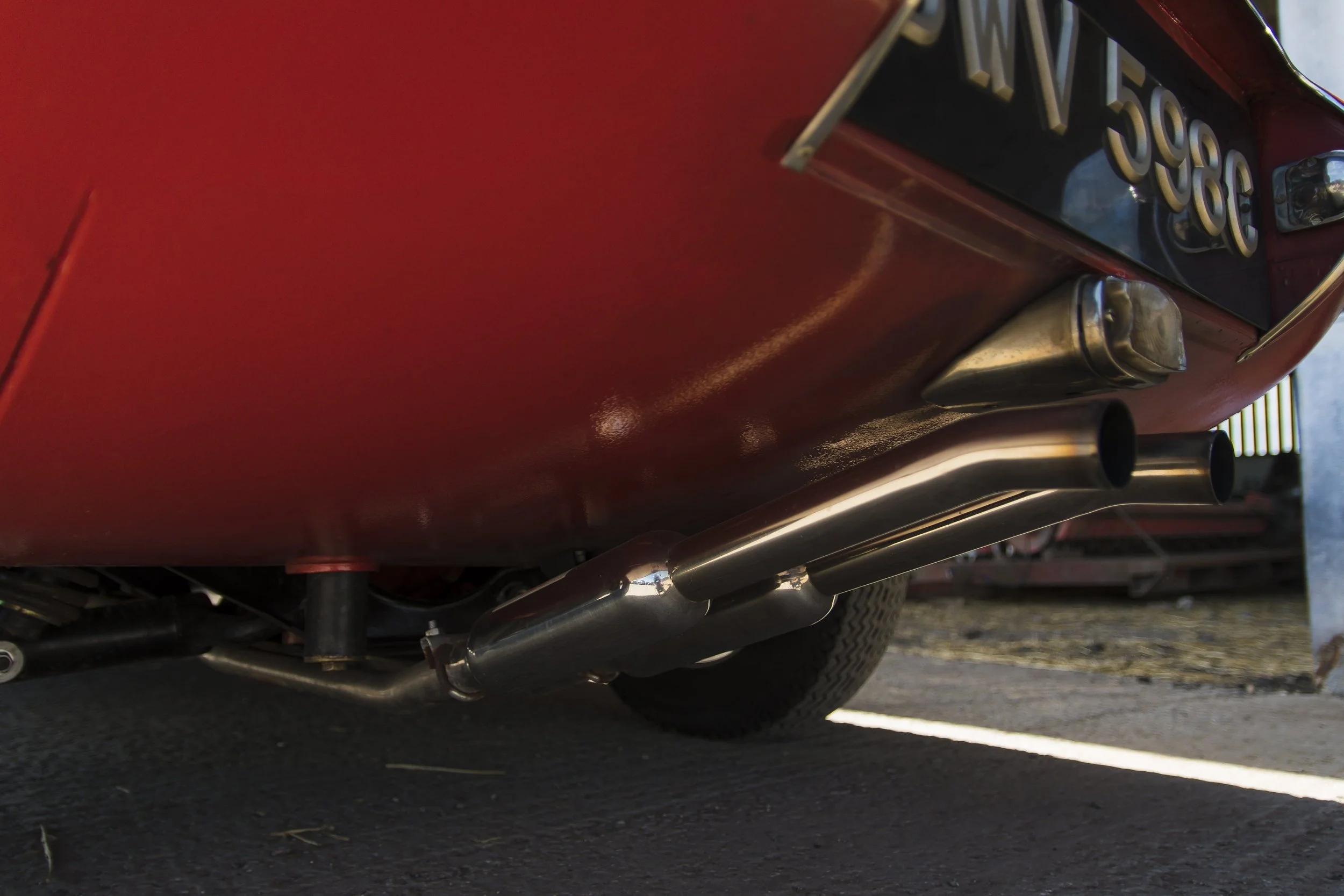
The E-Type uses bolt-on front subframes that support the engine and front suspension. These should be inspected for cracks around the suspension pickup points and checked for any evidence of previous accident damage. Additionally, you should check for any signs of corrosion around the frame-to-bulkhead joints and check the straightness and alignment, because misalignment can affect the steering, ride height and tyre wear.

Doors & Hinges:
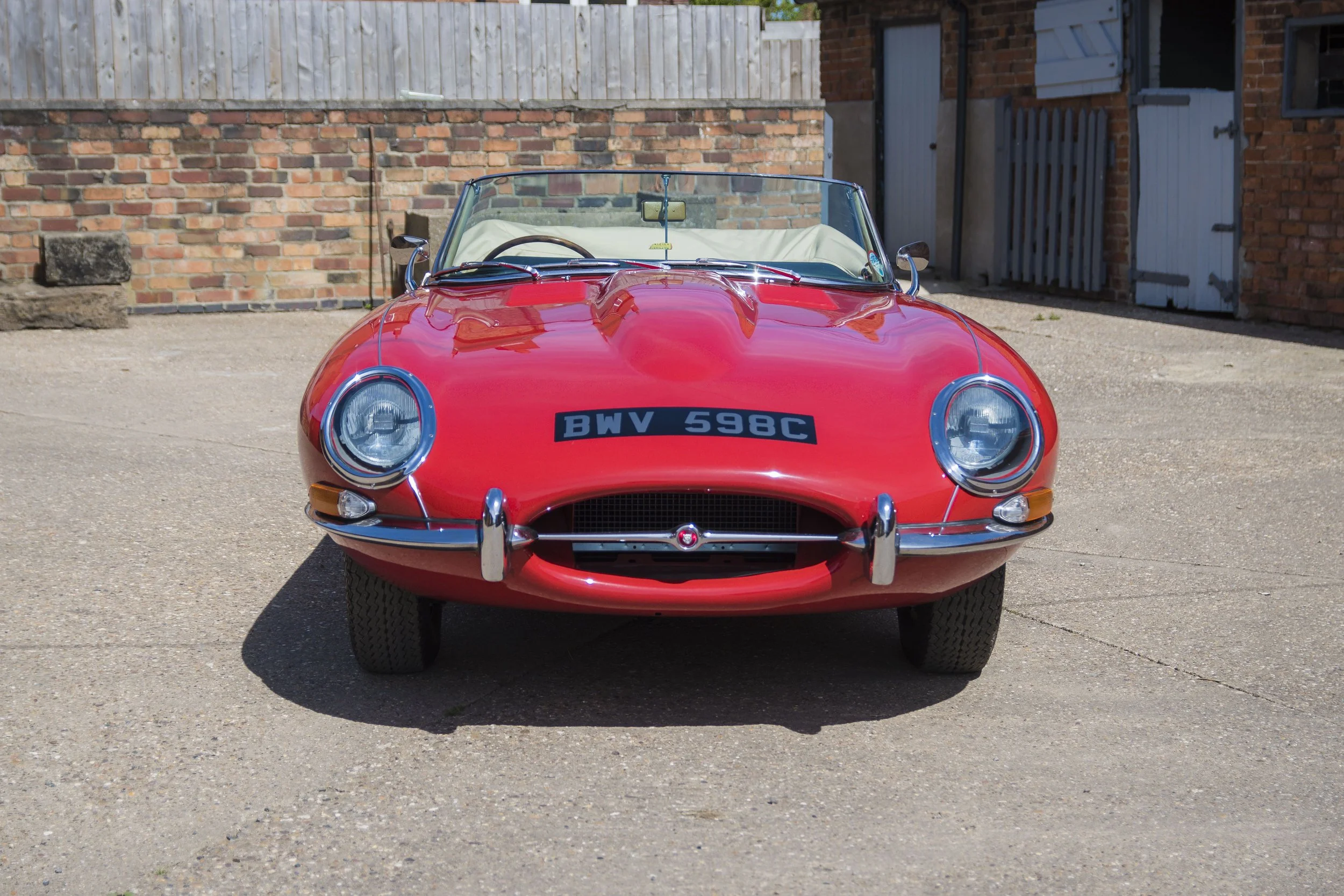
Doors on older E-Types often “drop” as hinges wear or as the door frames rust. Therefore, it’s important to check for sagging when opening the door, misaligned shut lines, loose hinge bolts, stiff hinges needing lubrication, and to make sure the door check strap is functioning correctly.
Servicing Tips for Owners
· Regular short drives are better than letting your Jaguar sit
· Keep fluids fresh, and carburettors synchronised
· Document the vehicle’s service history
· Ensure you inspect your Jaguar well before buying. If you would like to know more, check out our E-Type buying guide on the inspections page of our website.
If you are looking to get your Jaguar E-Type serviced with us, please get in contact on 0115 926 2266 or email us at info@thorntonrestorations.com.